

We all have our weaknesses, and one of mine is the irresistible allure of baby animals.
There is nothing cuter than a wriggling, bright-eyed ball of fur approaching you with innocent curiosity, and nothing more heartwarming than watching the fierce devotion a mother has for her young. I’m that person who can’t resist stopping to pet your adorable new puppy, and some of my favorite travel memories include being mock-charged by baby fur seals on South Georgia Island and watching a freshly hatched baby sea turtle make its way to the ocean in the Galapagos Islands (who knew that baby reptiles can be so cute?).
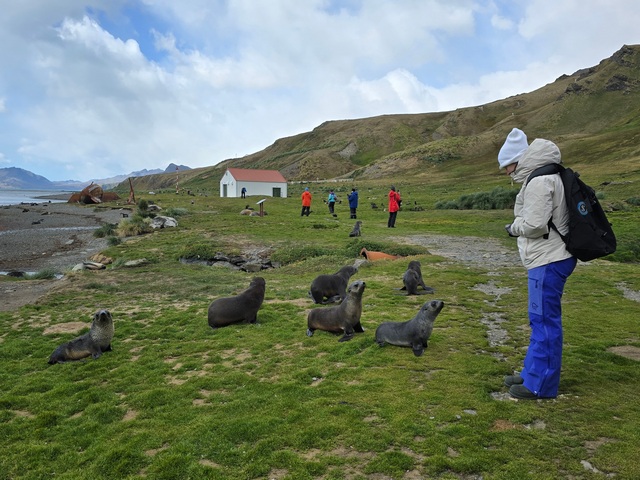 The baby Antarctic fur seals of South Georgia Island will steal your heart with their brazen curiosity.
My love for baby animals meant that our recent scouting trip to Kenya and Uganda this past February turned into one of my favorite safaris of all time. From the tiniest baby hyenas I've ever seen to hand-feeding a baby giraffe and watching a mother gorilla cradle her infant just 15 feet away, February in East Africa was a baby animal bonanza.
This photo essay highlights some of the fuzzy little nuggets we encountered during our travels. It's mostly an excuse to share an excessive number of ridiculously cute wildlife photos (and I make no apologies for that). Enjoy!
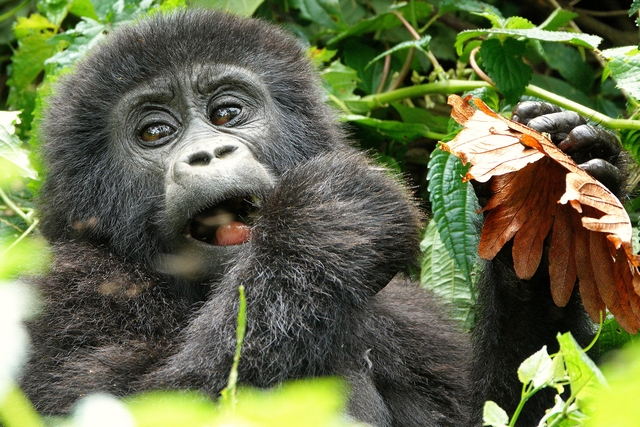 Spending an hour watching this fuzzy little nugget feast, forage, and play with her family members was a highlight of our gorilla trek in Uganda.
Feeding Time at The Sheldrick Trust in Nairobi
Even though we have been before, we started our journey with a visit to the Sheldrick Trust in Nairobi. We always make time for Sheldrick whenever we're in Nairobi because we love supporting the incredible work they do rescuing and rehabilitating orphaned elephants. In addition to the playful elephants you will always see at Sheldrick, we also got to see Notty (a zebra) and Tytan (a black rhino), two recent rescues who have become besties. The stories of how these animals lost their mothers are truly heartbreaking, but it was impossible not to leave feeling hopeful after watching these little ones thriving at Sheldrick, making new friends and growing stronger every day.
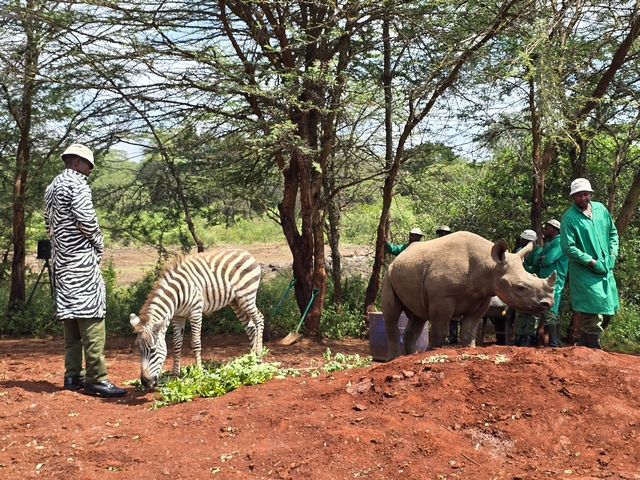 Notty (the zebra) and Tytan (black rhino) arrived at the Sheldrick Trust within a week of each other after each was orphaned, and they have been besties ever since.
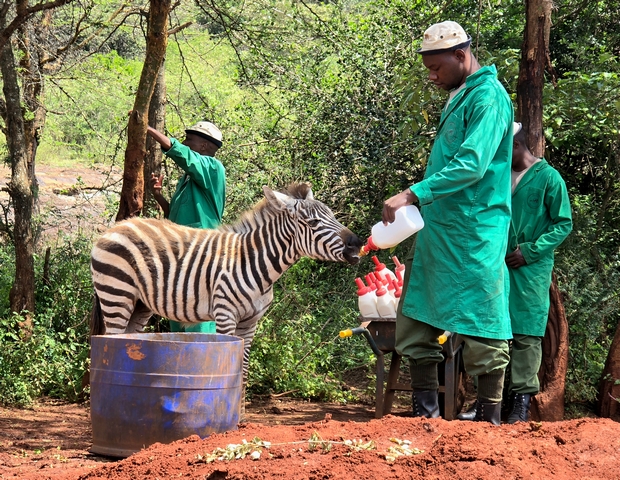 Being an orphan keeper at Sheldrick is a dream job for any baby animal lover! You administer bottle feedings every three hours, sleep next to the babies at night, and engage them with daytime walks and mud baths.
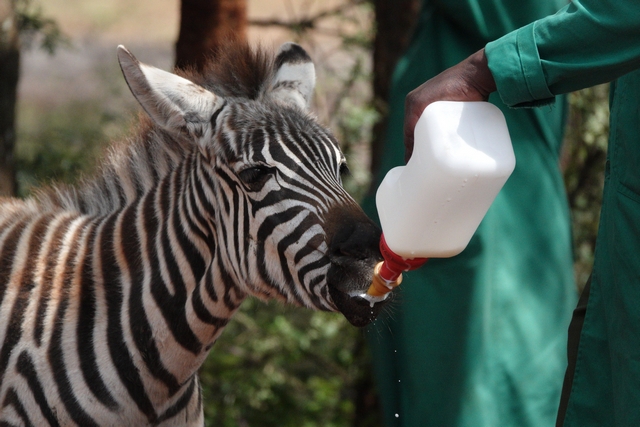 Notty can't gulp her warm milk down fast enough, and it was hilarious to watch her accost the keepers the second they arrived with the milk.
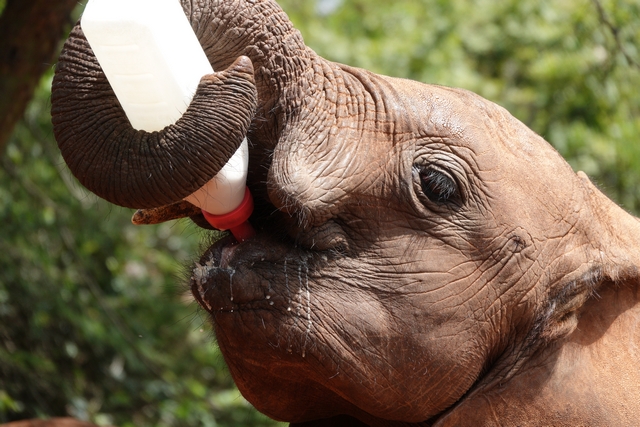 It takes baby elephants time to master their own trunk, but by the time they are two years old, they can hold their own bottle while feeding.
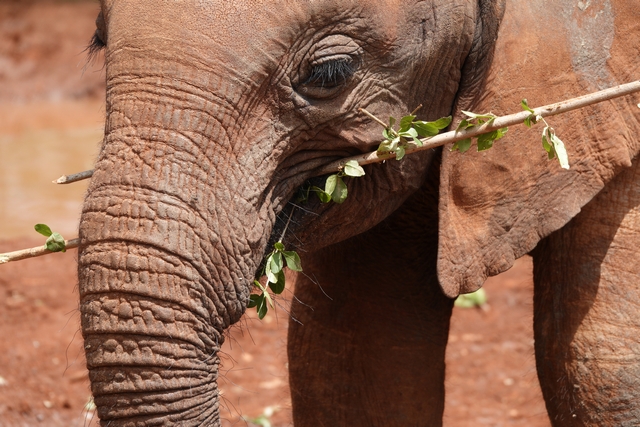 In addition to milk, the baby elephants at Sheldrick learn to eat leaves, grass, and other plants, preparing them for their eventual return to the wild.
Laikipia, The (Baby) Rhino Capital of East Africa
Our first safari destination after Nairobi was Laikipia, a stunningly beautiful expanse of rolling hills and idyllic acacia-strewn landscapes adjacent to Mount Kenya. We hadn’t been back to Laikipia since 2017, and we took the time to explore several private conservancies throughout the region. In addition to getting to spot unique wildlife (striped hyena, Beisa oryx, Somali ostrich, and more!), we were blown away by the proliferation of rhinos.
The one-month-old baby black rhino we saw at Lewa Conservancy is the tiniest, most precious little rhino we have ever seen, along with several older calves (Lewa currently has nearly 300 rhino - that’s 13% of Kenya’s rhino population!). The last time we had been to Laikipia was just after a spate of rhino poaching incidents, and it was inspiring to see the conservation successes that Lewa and other conservancies have had.
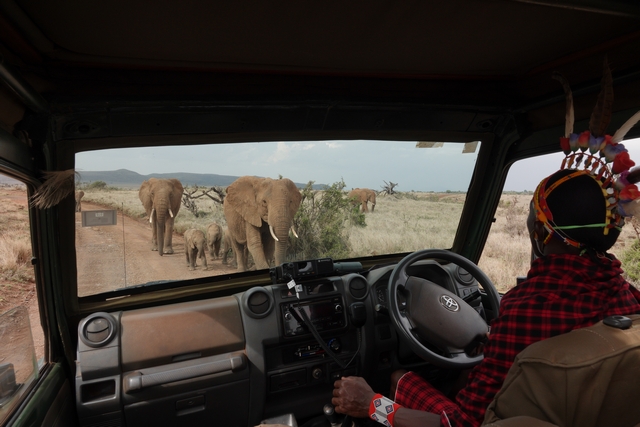 We knew we would love our time at Lewa Conservancy based upon our initial greeting, where a family of elephants came over to our vehicle and inspected us, the babies stopping to sniff us with their trunks.
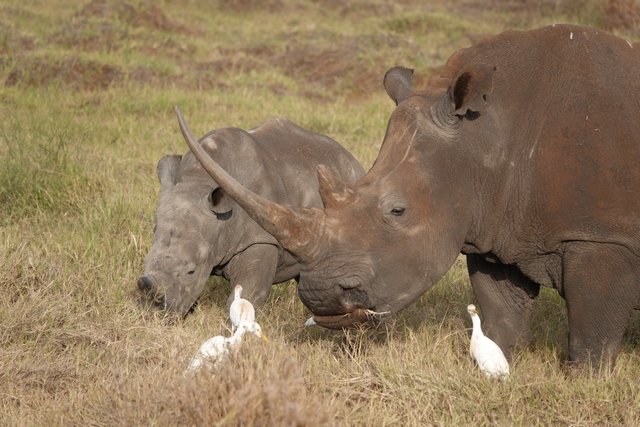 We saw numerous white rhino calves during our time at Lewa, a testament to its conservation successes.
 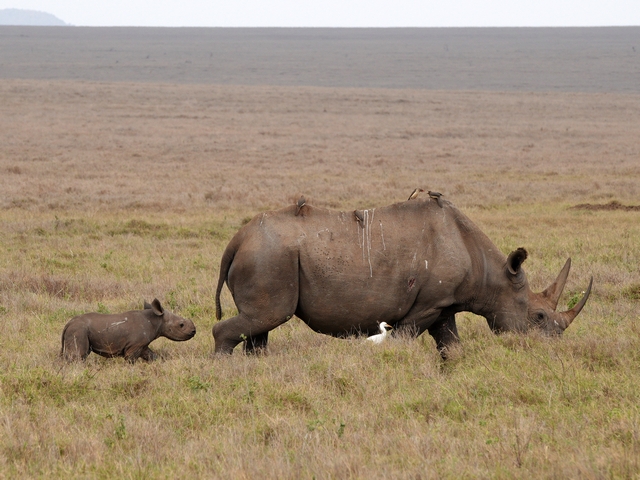 Black rhino are notoriously skittish, but this mother and her one-month-old calf were relaxed in our presence, allowing for an incredible viewing.
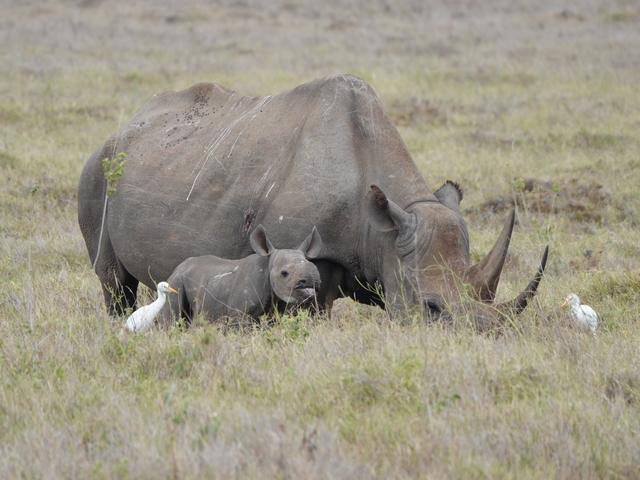 The calf was so small that it would frequently disappear behind mom or tall grasses, so we felt lucky whenever we got an open view like this.
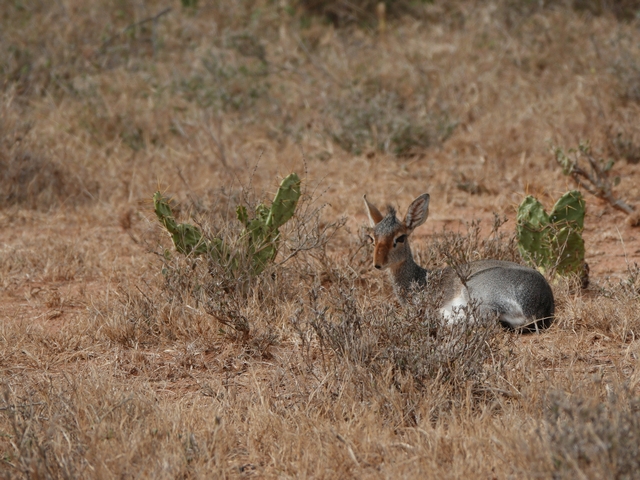 We're not sure if this Kirk's dik-dik was a baby or not, but at just 16" tall when full grown, it's still small enough to fit inside the "ridiculously cute" category.
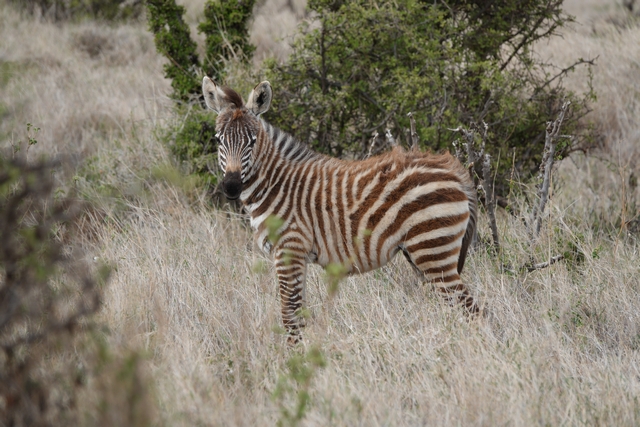 Zebra foals are extra fuzzy, and their brown stripes will start to turn black at about four months old.
Mara North’s Abundant Big (And Little) Cats
The Maasai Mara region is perhaps the best place in all of Africa to see the big cats, and our stay at the private Mara North Conservancy did not disappoint. This conservancy, which is owned by local Maasai people who manage their lands to permit both safari tourism and traditional grazing, is packed with wildlife, yet without the crowds of the Maasai Mara Reserve. On our very first game drive, we found a baby cheetah, a baby leopard, and the tiniest lion cub imaginable, all in a single evening. In addition to baby cats, we also saw newborn baby gazelles and buffalo, plus an abundance of additional wildlife (baboons, jackals, elephants, hippos, mongoose, topis, gazelles, warthogs, giraffe, and more).
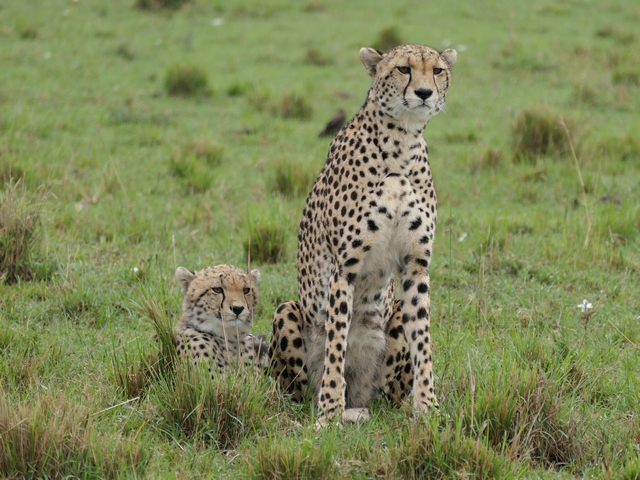 Cheetahs are on the decline in the Maasai Mara and have high cub mortality rates, so it was inspiring to see this one-year-old male cub thriving.
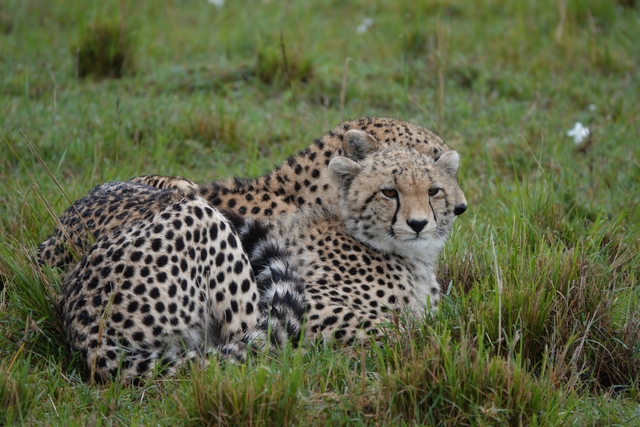 This little guy will stay with his mom until he's 18 months old, and he astutely watches everything she does as he learns the ropes of survival.
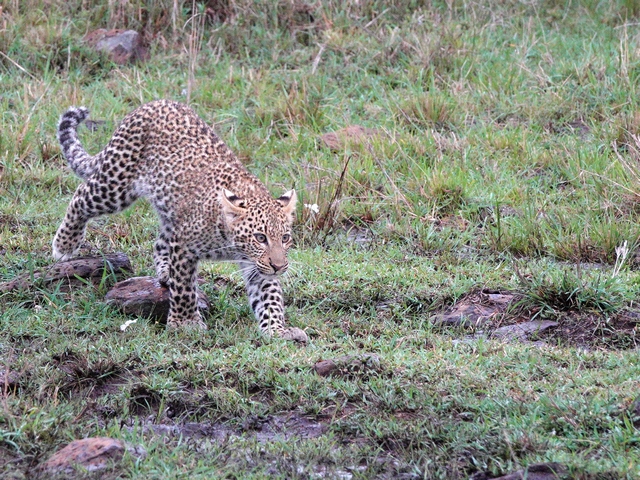 This leopard cub was fortunate to be the sole survivor after hyenas killed its sibling at just one month old, a horrible (but somewhat common) incident that occurred while mom was out hunting.
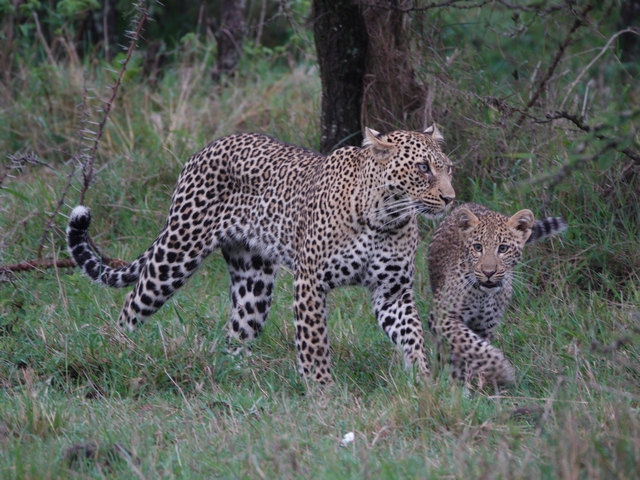 At about 8 months old, the cub follows mom practically everywhere, stalking small mammals, insects, and birds as it learns to hunt.
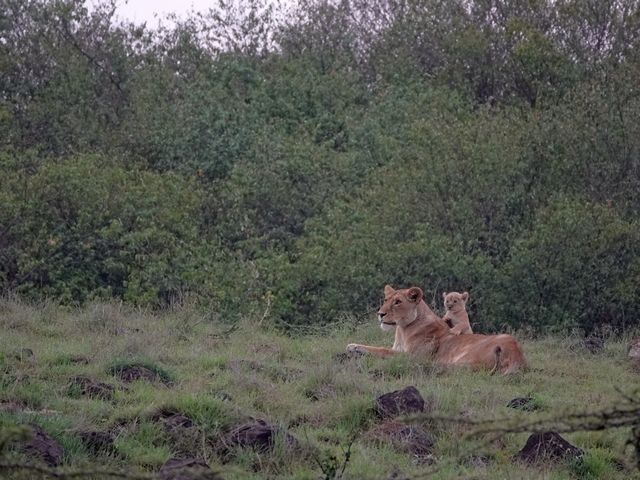 Of course, the most precious, tiniest lion cub we saw in all of our travels was spotted several hundred meters away in quickly fading light - but you get the idea of how cute it was from this shot!
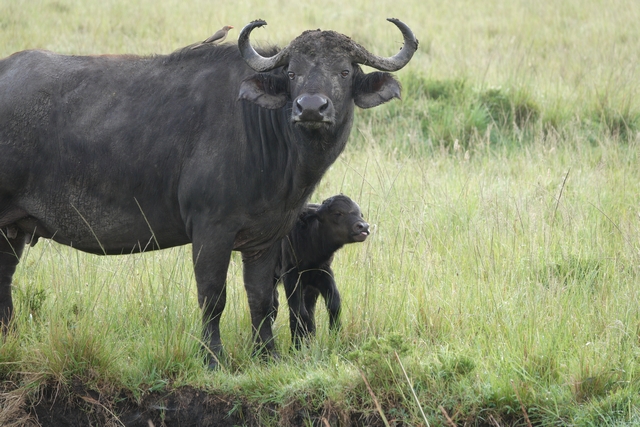 At just three weeks old, this cape buffalo calf sticks close to mom, relying on her and the herd for protection from the abundant lions that populate the greater Maasai Mara region.
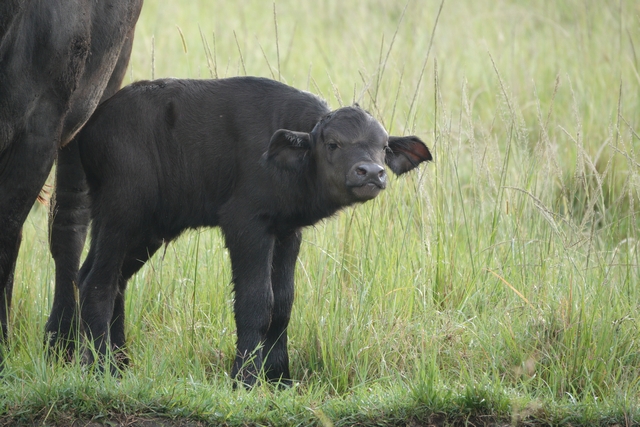 This youngster has no signs of horns developing yet, but the horns will start to grow at around 3 months old and will reach full development by 8 years.
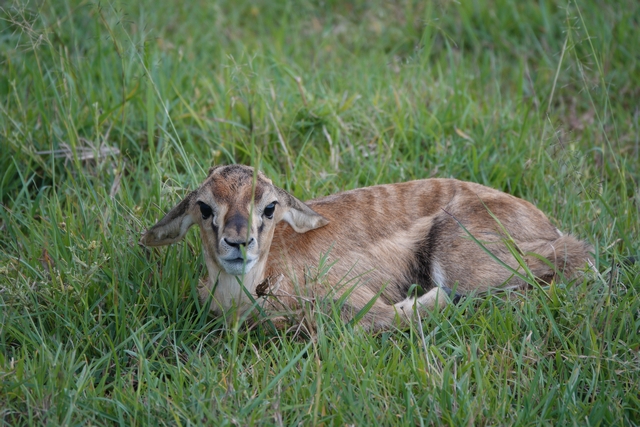 This helpless, newborn Thompson's gazelle has been temporarily abandoned by mom, who will return several times a day to nurse it. The baby has no scent and camouflages well, plus it is genetically programmed to stay completely motionless, which makes for excellent baby gazelle viewing!
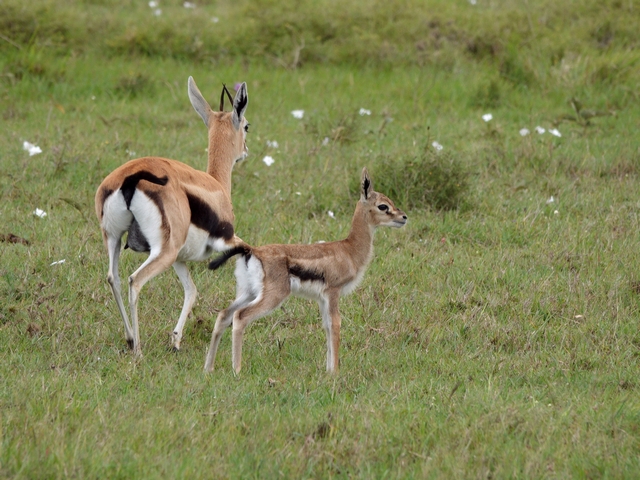 By two months old, the baby Thompson's will be ready to join the herd, as it's able to keep up and evade predators.
 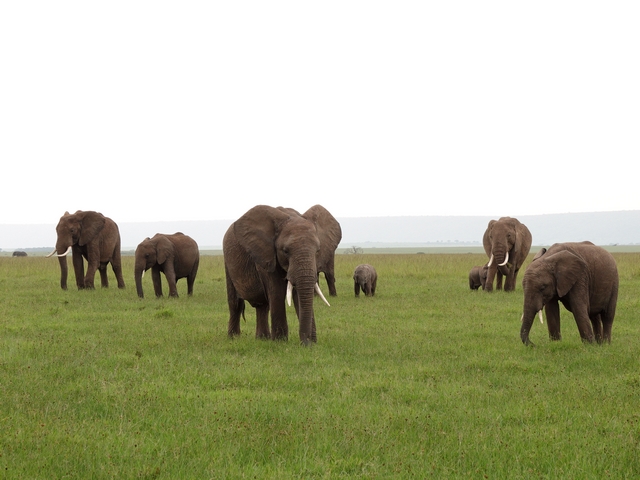 We were thrilled to encounter this elephant family grazing in the open savannahs of Mara North, allowing us to spot the baby ellies from nearly a mile away. Elephant families often travel in tight formations with their young hidden in the middle, so we were thrilled that this family was so relaxed.
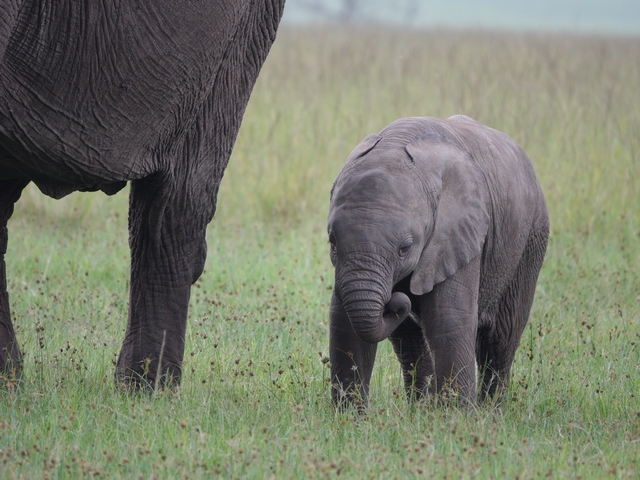 We enjoyed watching this baby elephant clumsily playing with its trunk, which it had clearly not mastered yet. With over 40,000 individual muscles in an elephant's trunk, it takes time.
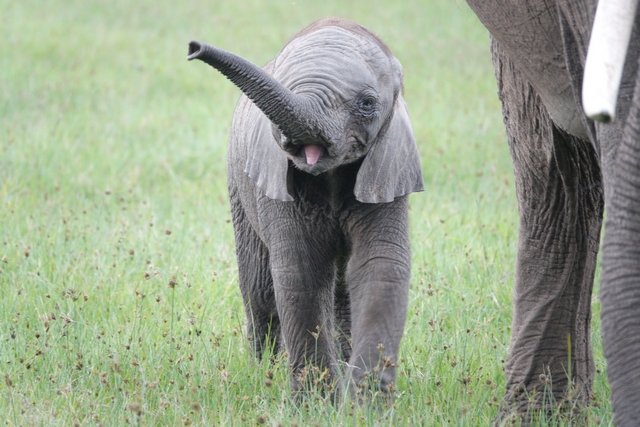 There's nothing more endearing than being sniffed by a baby elephant, especially when the sniff reveals the precious little pink tongue!
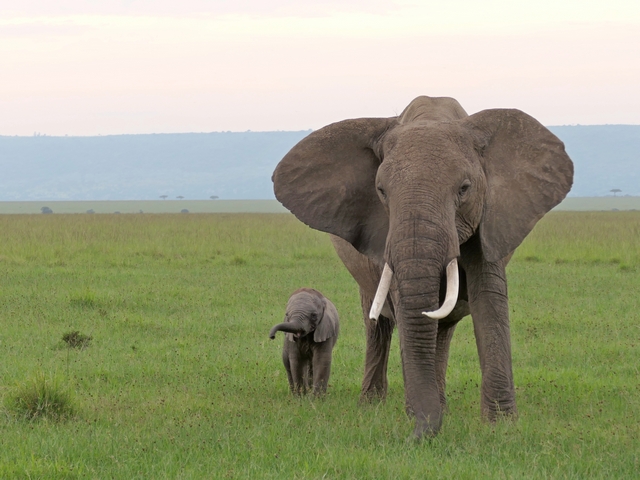 "Tiny" is not a word many would use to describe a 225-pound baby, but it's all about perspective!
 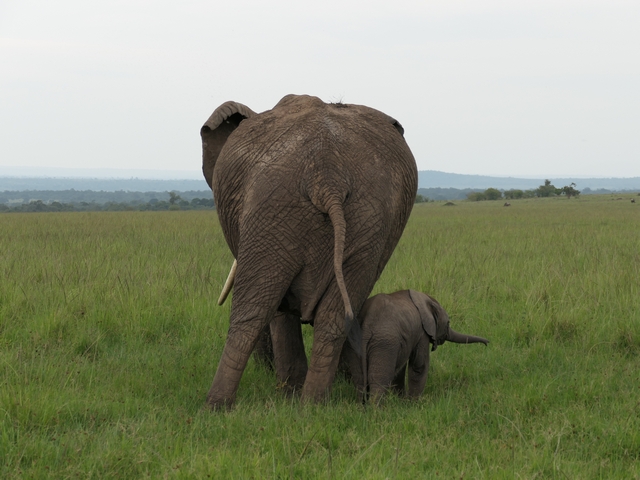 I don't usually take butt shots of animals, but this one was too cute to resist!
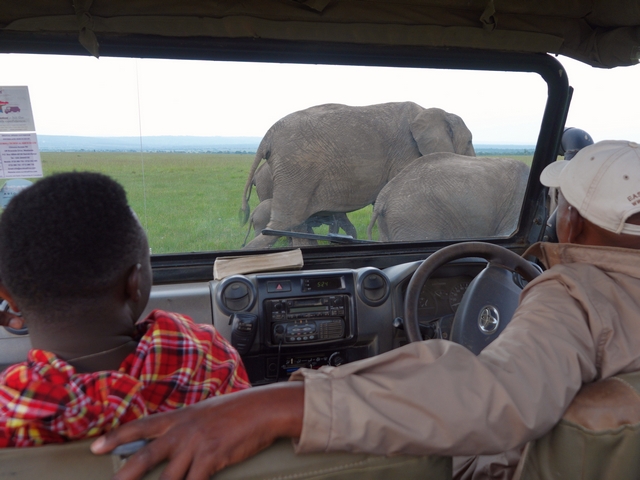 Baby elephants will travel under their mom's belly until they are about a year old, providing them with excellent protection as they roam across the savannahs.
Loirien Rhino Reserve
From Mara North, we headed over to the Mara Triangle to visit several camps. A highlight of our time in this region was a visit to Loirien Mara, a stunning private villa situated atop the Oloololo Escarpment, overlooking the vast expanses of the Mara below. The best part about staying at Loirien is that you have exclusive access to their private rhino sanctuary, where you can walk with a ranger and enjoy up-close encounters with their resident white rhinos.
My favorite experience from our visit was getting to meet Julian, a two-month old baby giraffe who was orphaned at just two weeks old when his mother was killed by an electric fence. Bottle-feeding Julian his afternoon ration of warm milk was exhilarating. At just two months old, Julian was already taller than me, and it was shocking how strong he was as he tugged at his milk bottle, trying to guzzle it all down at once in an adorable (but slightly scary!) frenzy.
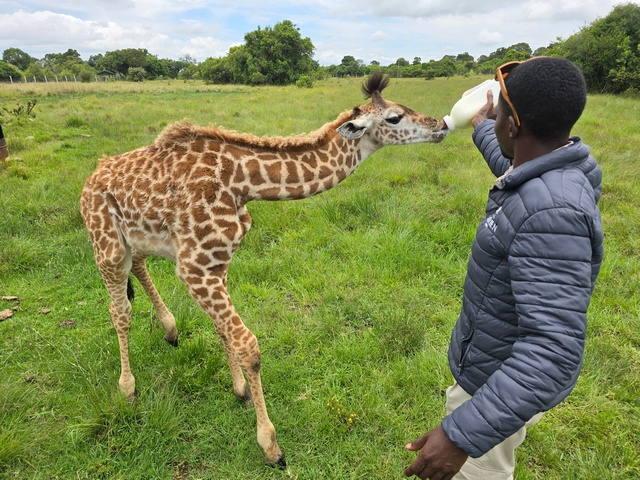 Two-month-old Julian the giraffe could see his warm milk bottle being held up from several hundred meters away, and he quickly came over to us for his afternoon feeding.
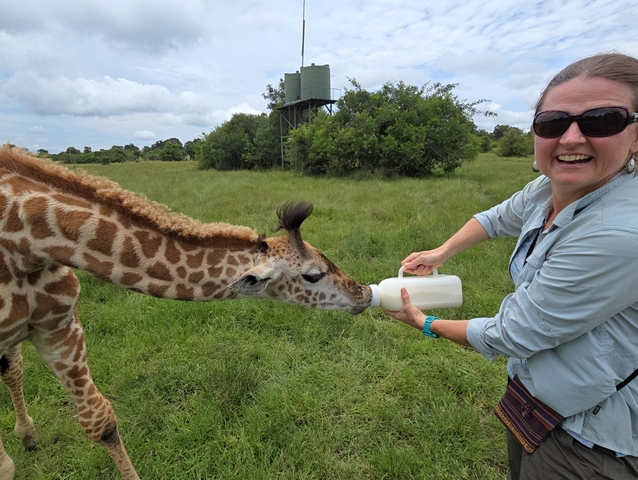 I was shocked at how powerful Julian was as he tugged at his bottle, trying to chug every last drop as quickly as possible.
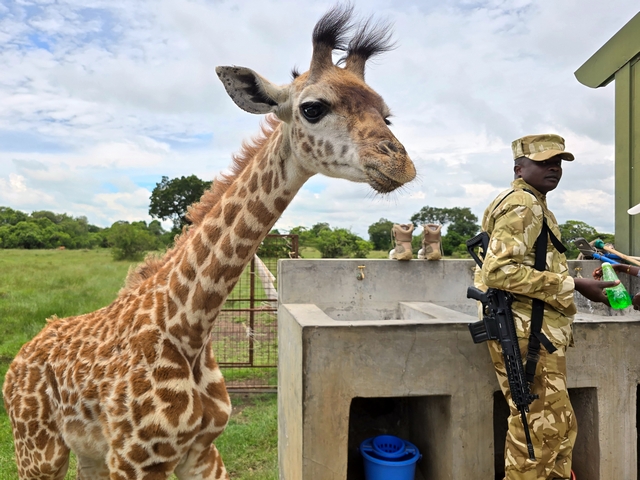 After his feeding, Julian continued to lurk nearby as we talked to the rangers, eternally hopeful that maybe there would be a second helping.
Naboisho Conservancy: The Lion Cub Club
We ended our stay in the greater Mara region with several days in Naboisho Conservancy, and we were so impressed with Naboisho that at some point I’ll write an entirely separate blog about it. Naboisho currently has the highest concentration of lions that we have seen anywhere in Africa after over two decades of going on safari. We lost count of the lion prides and cubs we encountered, although the largest pride included four adult males, six breeding females, and an astonishing 18 cubs, all lounging about together.
The abundance of predators is fueled by equally abundant prey, from zebras and wildebeest to gazelles and more eland than I've seen anywhere else in Africa. Naboisho’s density of lions also supports an impressive hyena population. During our stay, we watched a massive hyena clan devour a zebra kill they had just chased the lions off of, complete with maniacal laughing, eerie whoops, and an assortment of grunts and growls. This sundowner show was a spectacular reminder that hyenas are every bit as formidable as their feline rivals.
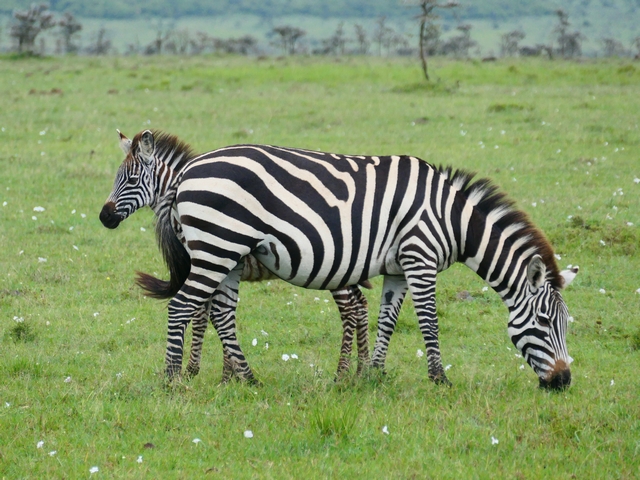 Naboisho's dense lion population is due to an abundance of plains game, and this baby zebra's cautious instincts will hopefully help its survival.
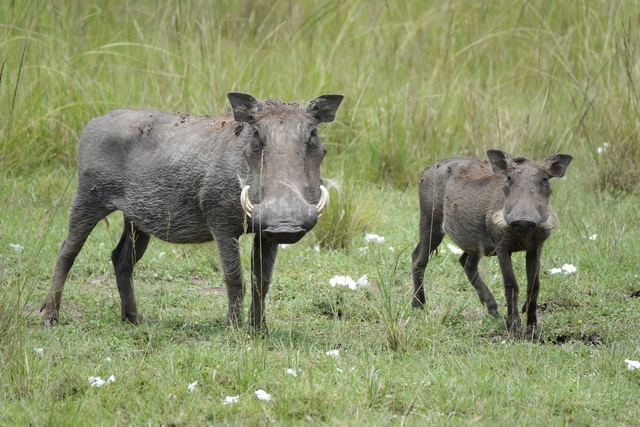 Warthogs are highly intelligent creatures, and there is nothing cuter than watching a little "bacon bit" stop to check you out.
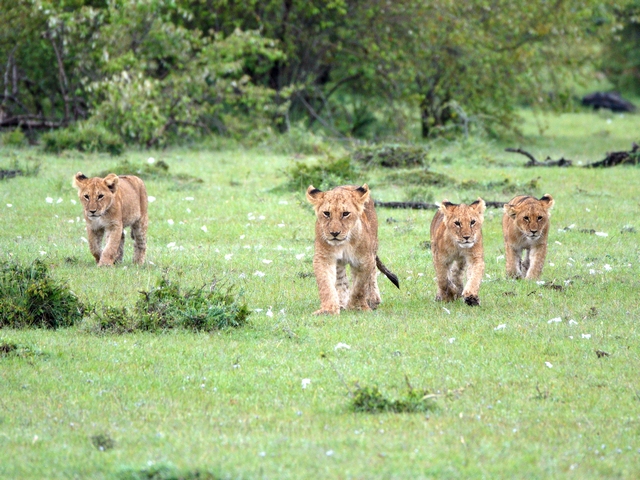 We spent the better half of a morning watching the 18 cubs of a mega-pride roaming across the landscape.
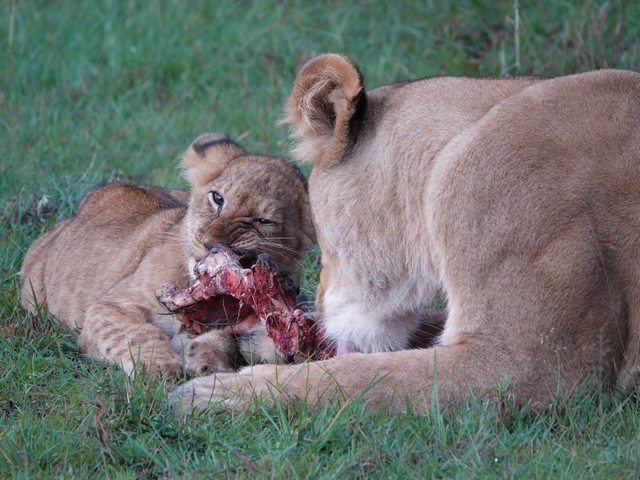 Whenever I start to feel sad about a prey animal being taken down by predators, I just remind myself, "Baby lion's gotta eat!"
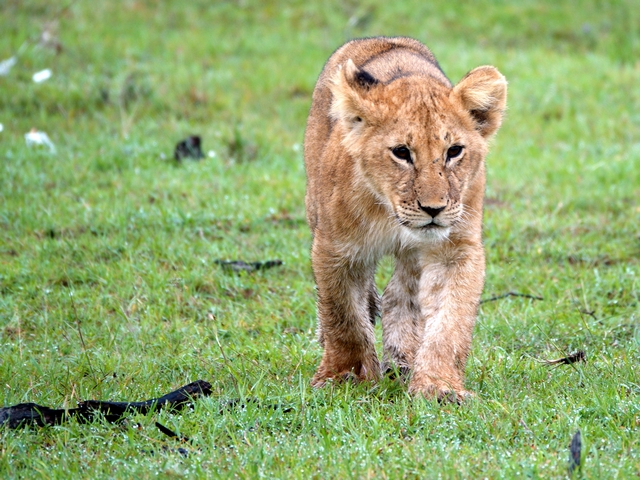 Lion cubs will sleep up to 20 hours a day, so we felt fortunate to see this group on the move, in search of their midday napping grounds.
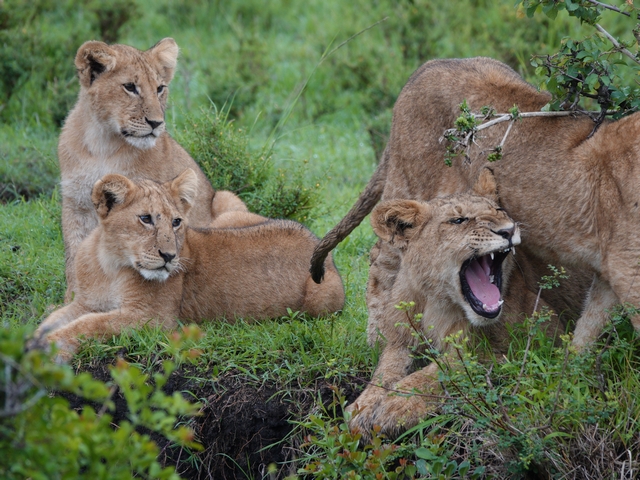 Watching lion cubs jostle and play is endlessly entertaining, as they are always up to something when they're not napping.
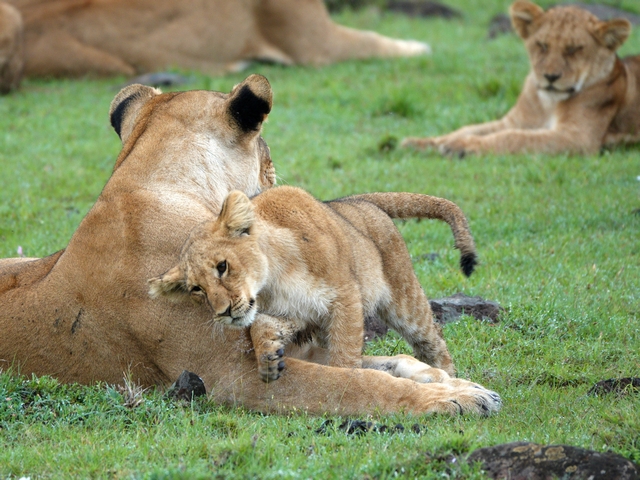 Anyone with a house cat has witnessed allorubbing, a behavior where cats rub their faces on others to scent-mark, show belonging to a family group, and build social bonds.
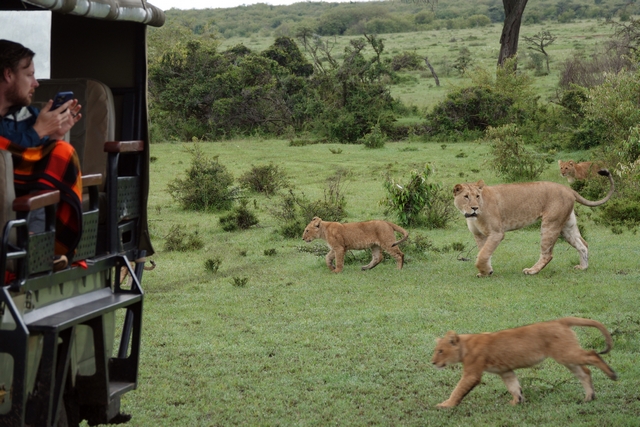 We had front-row seats to a lion parade that included 18 cubs and 6 moms - not something you see every day!
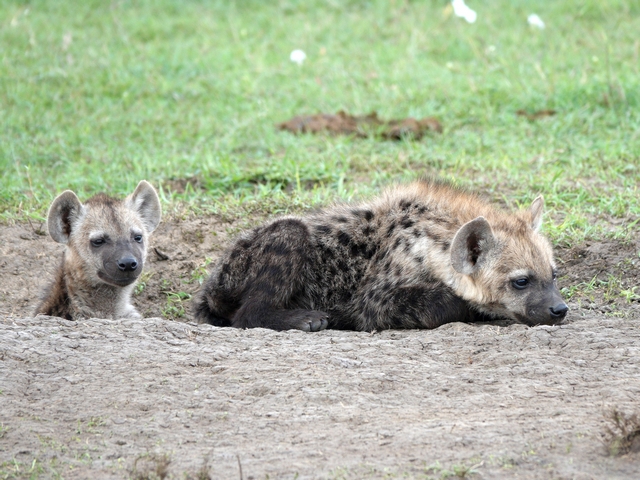 These spotted hyena cubs were hanging out at their den, a burrow likely dug by a warthog or aardvark that the hyenas had taken over to protect their young.
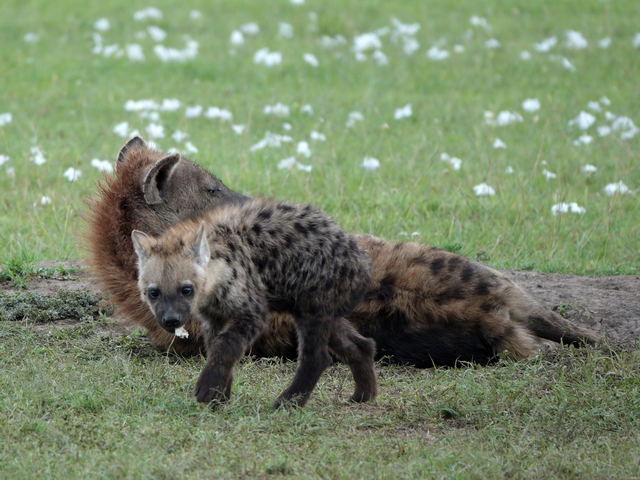 While it resembles a puppy, hyenas are actually more closely related to cats than dogs, and their closest living relatives are mongooses and meerkats.
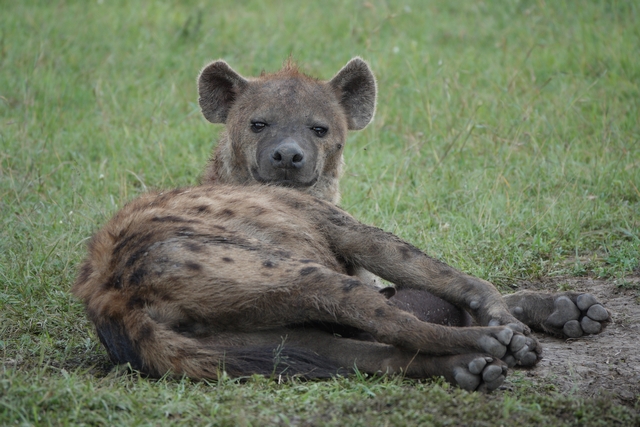 At first glance, I didn't notice the tiny little fuzzballs hidden underneath mom's legs.
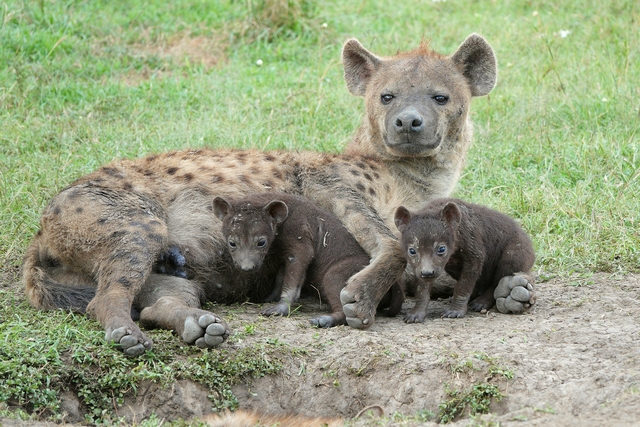 These newborn spotted hyenas look like little bears, and they won't get their spots until they are about three weeks old.
The Baby Gorillas of Bwindi: Born to Be Wild
As if our classic African safari baby boom wasn’t enough, we ended our trip with two days of gorilla trekking in Uganda’s Bwindi Impenetrable Forest. The first day, we did a standard gorilla trek, spending an hour with a wild gorilla family feasting and foraging in the forest, followed by a gorilla habituation trek the next day, where you get to visit a family that isn’t fully habituated yet and spend up to four hours with them. Both treks were exceptional, from the giant silverback and multiple babies on our first day, to the in-depth adventure we had during our habituation trek (including one very endearing little fuzzball who completely stole our hearts with her acrobatic antics).
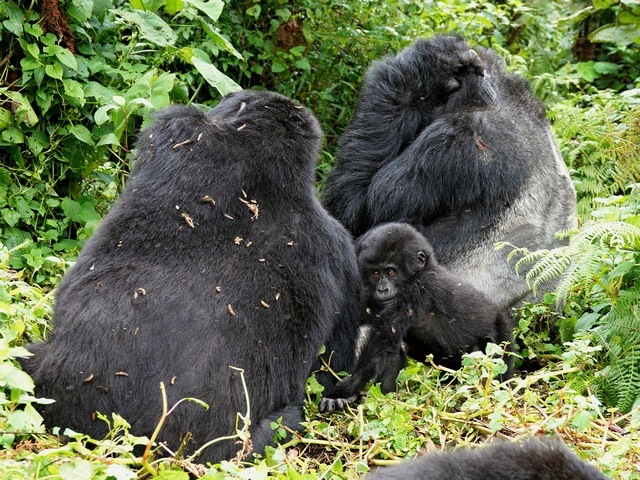 Our first gorilla trek led us to a family that had at least four fuzzy little babies - it was hard to keep track of such a big family spread out in the dense forest around us.
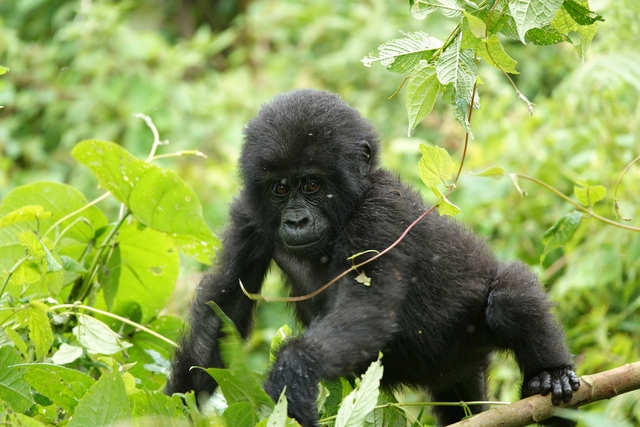 This little female gorilla we saw on our habituation trek was already showing comfort around humans, and she kept us readily entertained with her acrobatic antics.
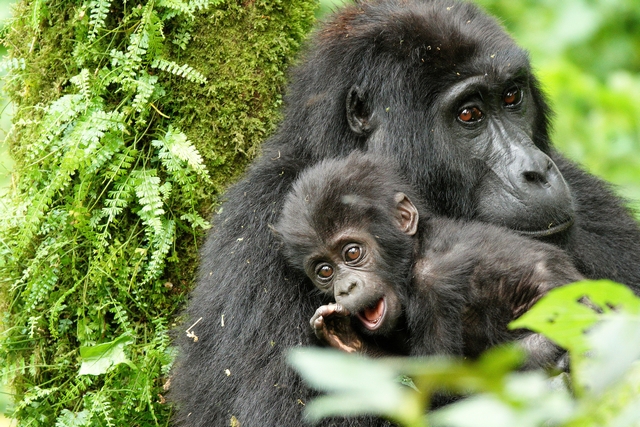 Newborn gorillas cannot walk until they are 10 months old, so they keep a tight grip on mom, clinging to her chest or back as she navigates the dense jungles of Uganda.
If there's a lesson from our February journey through Kenya and Uganda, it's this: East Africa isn't just about the Big Five, it's also about new life. From wobbly rhino calves and playful lion cubs to curious baby gorillas and innocent newborn gazelles, February offered one unforgettable reminder after another that the next generation of Africa's wildlife is thriving. For anyone who melts at the sight of baby animals as much as I do, this may just be the perfect time of year for an East Africa safari.
When you are ready to experience East Africa's February baby boom on your own dream African safari, reach out! We can help you plan a fully custom adventure tailored to your every need.
Your baby-animal-crazy lady,


