How To Stay Healthy While Traveling

Nothing is worse than having a long-awaited international adventure interrupted by illness.

While it might make for a good story later, spending the night clinging to the toilet in your hotel bathroom, sweating and shivering in a fitful state of delirium, is decidedly less fun. We all want to experience authentic local culture and mingle with the locals, but preferably without an overnight hospital stay or getting to know the staff at the medical clinic on a first-name basis.

I was about to say I’ve been pretty lucky when it comes to staying healthy overseas, but then I realized my track record has less to do with luck and more to do with strategy. Staying healthy while traveling requires a proactive approach that starts before your trip and continues until you’re safely back at home.

You don’t need to be a germophobe wandering around in a biohazard suit or forego every local delicacy out of fear of getting sick. You just need to be thoughtful and follow a few fundamental practices that can significantly reduce your risk.
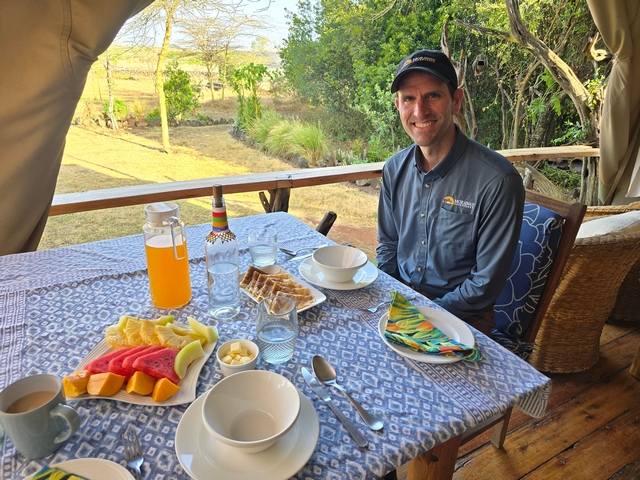
A man seated at a breakfast table with fresh fruit and juice at Mugie Camp in Kenya while on safari.
You don't need to be a total germophobe while traveling - sometimes it's okay to eat the pre-cut fruit!

Here are some of the strategies I’ve picked up over years of international travel. I hope they help you stay healthy and enjoy your next adventure!

Before Your Trip

Plan With Health & Safety In Mind

One of the advantages of working with travel professionals who have genuine destination expertise and local connections is that health and safety are built into the planning process. At Moraway Adventures, we carefully vet our local partners, accommodations, transportation, and experiences, and we have minimum standards we’re simply not willing to compromise. We also take your individual health considerations into account when designing an itinerary, helping steer you toward destinations and experiences that are appropriate for your needs.

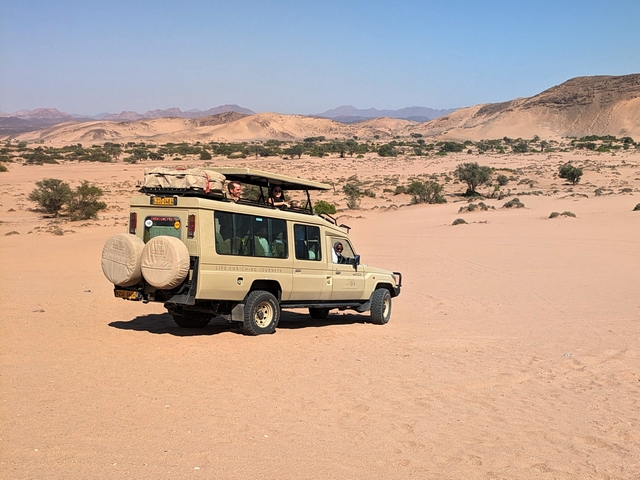
We tend to favor quality, independently vetted lodges and operators over budget alternatives. That’s not luxury for luxury’s sake. Reliable vehicles, properly trained guides, appropriate safety equipment, sound food-handling practices, clean drinking water, and accommodations with good insect-protection measures all contribute to a healthier, safer trip.

4 x 4 safari vehicle in the sandy desert landscapes of Damaraland Namibia with high rocky peaks and a blue sky visible beyond.
Having a reliable vehicle and an excellent, well-trained guide is essential when exploring off-the-beaten-track places like the deserts of Namibia

If something does go awry during your travels, you have our support to help navigate the situation and execute Plan B, whether that’s a visit to a local clinic or just rearranging your itinerary to allow for a few days’ rest. Be sure to have travel insurance that covers medical evacuation back to the U.S. It’s nice to have one less thing to worry about when you’re halfway around the world!

Get A Pre-Trip Travel Health Consultation

Before you leave, schedule an appointment with a travel health clinic or qualified healthcare provider at least four to six weeks before departure. Bring your itinerary and discuss your medical history, planned activities, and any health concerns.

A clinician can review your vaccinations, recommend destination-specific immunizations, and discuss preventative medications for things like malaria, altitude sickness, or motion sickness. Some vaccines require multiple doses or time to become effective, so don’t leave this until the week before departure!

Pack A Mini First Aid Kit

Having a few basic medications readily available can make a big difference when a minor ailment threatens to derail your adventure. While you can purchase medications in big cities while traveling, options may be limited in remote locations like the Okavango Delta or an eco-lodge in Patagonia, so I like to carry my own tiny med kit.

Laguna Torre in Patagonia on a blue sky day, with puffy clouds partially obscuring jagged snowy peaks set behind the lake
If you are spending time away from cities in remote places like Patagonia, it's a good idea to be self-sufficient with some basic first aid supplies

Common travel-related ailments to prepare for include headaches, sinus pressure on airplanes, respiratory illnesses, and traveler’s diarrhea. Depending on your itinerary, you may also need to prepare for motion sickness, altitude sickness, and insect bites. If I am doing something really far-out and adventurous, like a remote trek in Peru or Nepal, I will also bring more first aid supplies relevant to blisters, athletic injuries, or bleeding.

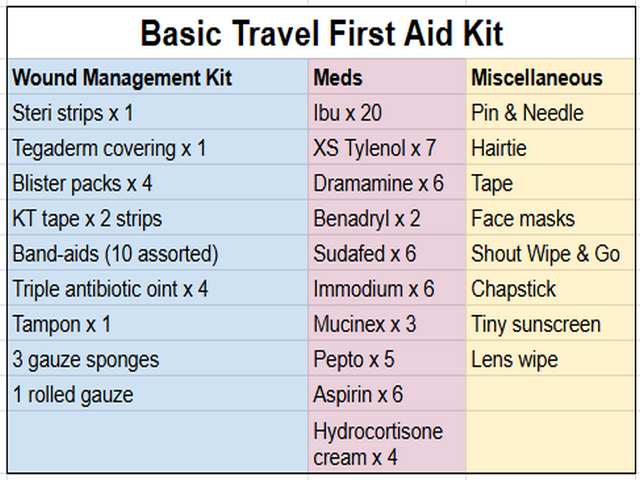
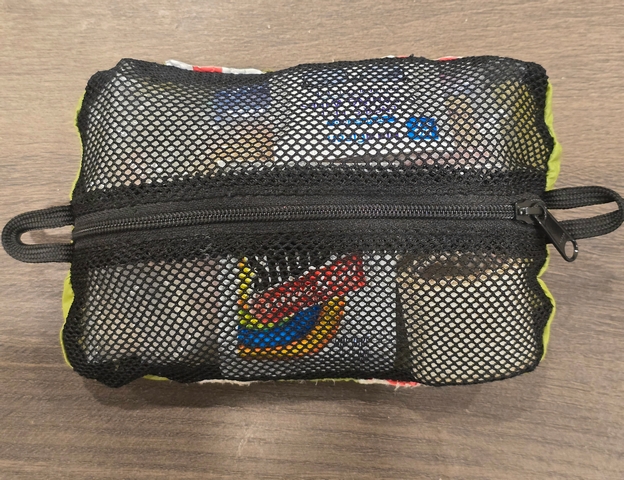
The photos below show what I carry in my basic travel medical kit and how I pack it. By bringing small quantities of carefully selected essentials, I can fit everything into a small, 4” x 6” pouch that weighs just 3.5 ounces. I keep it in my daypack or carry-on so it’s always accessible when I need it. I keep my prescription medications like Malarone and Azithromycin separate from this kit, since those are only for my own personal use.

Excel spreadsheet showing 3 columns listing items to pack in a travel first aid kit, from wound management supplies to medications and face masks
Overview of what's inside my basic travel first aid kit
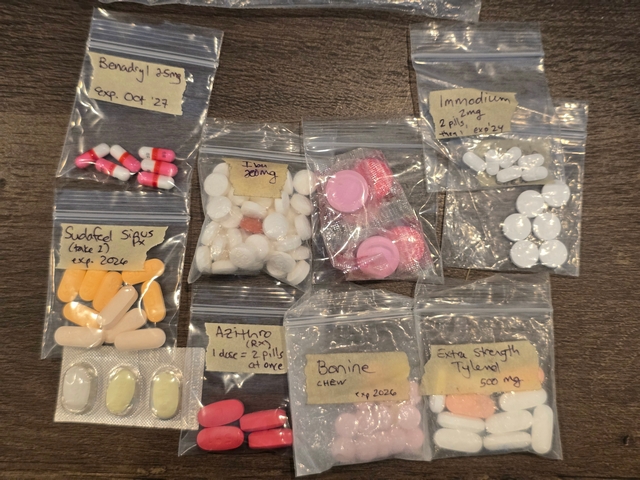
9 mini bags of medications, each labelled with medication name and expiration date
The drugs are maybe the most essential part of this kit, and I like to repackage mine to save space
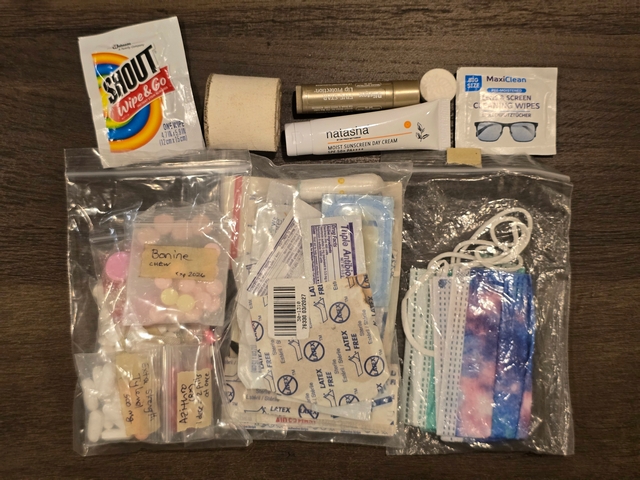
First aid supplies packages in a few small bags for a travel first aid kit
Here is everything in my kit, which I keep on me at all times
Small first aid kit inside a mesh pouch
My entire kit weighs 3.5 ounces and measures just 4" x 6"

A quick note: Discuss medications with your healthcare provider before traveling, particularly prescription medications and anything intended for altitude sickness or traveler’s diarrhea. Make sure you understand when and how to use any medications in your kit (this is especially important with antibiotics – I suspect many people are too quick to jump the gun and take them, which can have unintended consequences). Some medications, such as motion-sickness remedies, work best when taken before symptoms arise.

While Traveling

To Eat, Or Not To Eat? Food Safety While Traveling

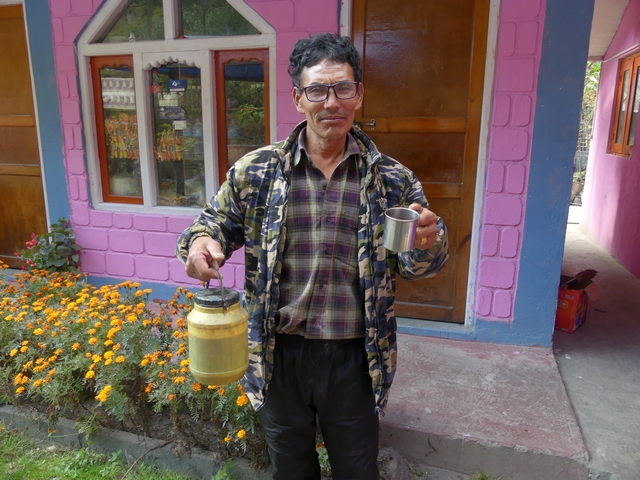
One of the greatest joys of international travel is discovering a destination through its cuisine, yet this must be balanced with the reality that contaminated food and water are also major causes of travel-related illness. This resonates with my own experience, as the two times we’ve had food poisoning both involved Chris and his adventurous eating gone wrong. (Ask him about the time he got wild honey poisoning in Nepal. When the locals tell you, “If you eat too much, it will make your heart hurt!” it’s probably best to pass!).

Nepali man standing in front of a pink house with a garden, and the man is holding a bucket of honey and a cup
This guy wasn't kidding when he warned Chris that eating too much Nepali wild honey would make his heart hurt. It also made his intestines cramp and his stomach rebel!

A general rule of thumb for food safety overseas is “Boil it, peel it, or forget it!” and that’s a gold standard if you want to minimize your risk of food-borne illness. But if you’re like me and travel frequently, love salads, and don’t want to miss out on local cuisine, a little judgment goes a long way.

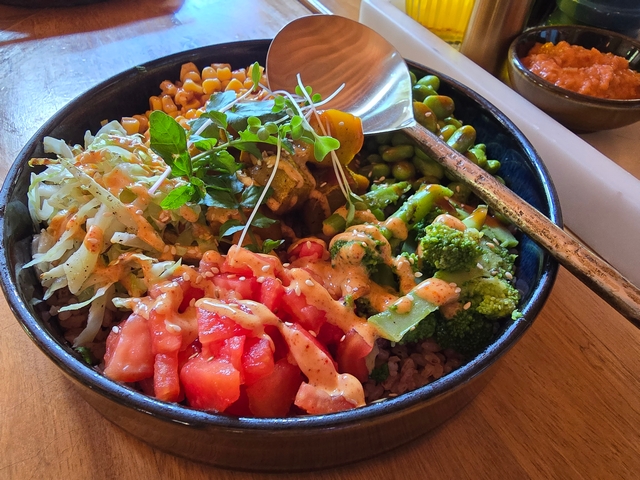
I do eat salads and fresh produce at carefully selected safari camps and hotels in many countries. Reputable properties invest in water purification, food storage, and staff training, and they take food safety seriously since they have a reputation to protect. That doesn’t eliminate risk entirely, but it can make a difference. When in doubt, ask how produce is washed and what water is used in food preparation.

&Beyond Punakha Valley lunch bowl full of chopped tomatoes, lettuce, peas, and other fresh vegetables
I wasn't afraid to eat this delicious salad at andBeyond's stunning Punakha River Lodge in Bhutan, and I do not regret my choice!

A few other guidelines:

Eat food that’s piping hot. Freshly cooked food served hot is generally a safer bet than something that’s been sitting around. At buffets, I prefer to arrive when they first open, when food is fresh and hasn’t been sitting out for hours.

Colorful cups of yellow pudding on a breakfast buffet at a nice hotel.
I like to hit buffets when they first open to ensure the food is fresh

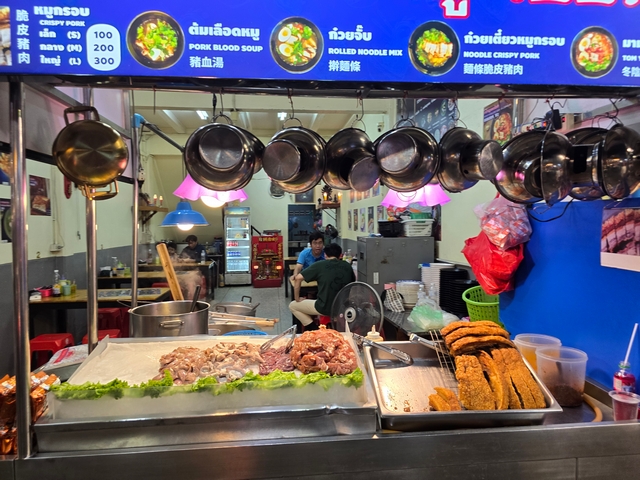
Be selective with street food, but you don’t have to avoid it entirely! I’ve had the world’s tastiest deep-fried samosa in India and the yummiest noodles ever on the streets of Bangkok. Look for busy stalls with high turnover, food cooked to order, and ingredients that are handled and stored properly. We also love organized street-food tours with knowledgeable local guides who know which vendors have good reputations.

Thailand street food stall with different foods on display under a neon blue sign
Doing a guided street food tour helps steer you toward more sanitary vendor stalls, and hopefully steers you away from accidentally consuming things like pork blood soup (unless you're into that, which by all means, no judgment!)

Be cautious with raw foods. Salads, cut fruit, uncooked vegetables, unpasteurized dairy, and raw or undercooked meat and eggs can all carry risks, particularly where safe water and sanitation are uncertain. Fruit you can peel yourself is generally a safer option than pre-cut fruit.

A special word about seafood: Seafood deserves extra caution because it is highly perishable and requires careful refrigeration and handling. Raw or undercooked fish and shellfish, particularly oysters, can carry bacteria and viruses that cause serious gastrointestinal illness. Certain tropical reef fish can also carry naturally occurring marine toxins that aren’t destroyed by cooking. One of Chris’s food-poisoning episodes followed a seafood sampling adventure at a market in Vietnam. These days, he’s a little more selective!

A final note of caution: We all have our own individual risk tolerance, and mine is fairly adventurous. But not everyone has the same level of risk. Certain groups are more vulnerable to serious complications from foodborne illness, including adults ages 65+, children under five, pregnant women, and people with weakened immune systems or certain underlying health conditions. Some medications, including proton pump inhibitors (PPIs), can also increase susceptibility to certain foodborne infections. If you fall into one of these categories, be more conservative with your food choices and talk with your healthcare provider before traveling.

Watch Your Water Intake

Staying hydrated is essential to staying healthy while traveling, but consuming contaminated water is a major source of travel-related illness, and it’s something I don’t take chances with. When traveling outside the U.S., I stick to commercially bottled water from sealed containers or water that’s been properly treated or filtered.

Some things to think about when it comes to water:

-Avoid ice unless you’re confident it’s made from safe water.

-Use bottled or properly treated water to brush your teeth.

-Try not to swallow shower water (not always easy when you’re half asleep!).

-Be cautious with fresh juices, fountain drinks, and beverages made with untreated water.

-Remember that clear water isn’t necessarily clean water. When in doubt, stick with a sealed bottle or a trusted water-treatment source.

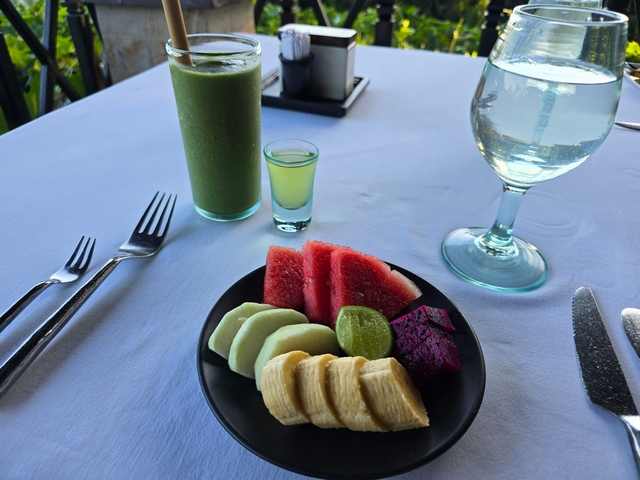
Fresh fruits and juice on a white linen tablecloth
I enjoyed the filtered water, fresh juice made with filtered water, and fresh fruits at this breakfast at a high-end hotel in Bali with no issues

Wash Your Hands With Soap And Water

Frequent hand-washing is of the simplest and most effective ways to avoid getting sick, yet it’s surprisingly easy to overlook when you’re traveling. Wash your hands regularly, especially before eating, after using the bathroom, and after handling animals.

A smiling couple seated at a breakfast table at Nairobi's Giraffe Manor, with two giraffes poking their heads through the windows and eating off the table
We were sure to wash our hands with soap and water after petting the giraffes at Nairobi's spectacular Giraffe Manor

I carry a small bottle of alcohol-based hand sanitizer for situations when soap and water aren’t available, but it’s not a complete substitute. Handwashing with soap and water physically removes dirt and germs, including some pathogens that alcohol-based sanitizers don’t reliably eliminate. Sanitizer is a useful backup, not a replacement for a proper handwashing routine.

It’s Easier To Stay Out Of Trouble Than Get Out Of Trouble

One of my favorite risk management mantras in the backcountry is “It’s easier to stay out of trouble than get out of trouble”, and this prevention-oriented mindset applies when traveling as well.

Pay attention to your surroundings, anticipate potential hazards, and take simple precautions to prevent small problems from becoming big problems.

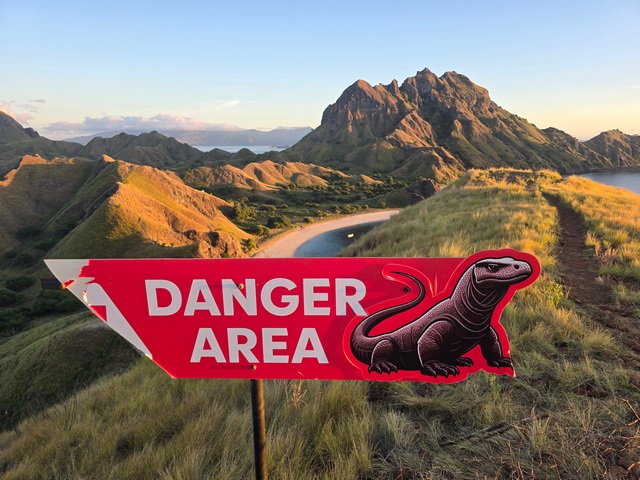
A red "Danger Area" sign with a picture of a komodo dragon, with Komodo Island visible behind it
A little situational awareness and common-sense risk prevention goes a long way while traveling

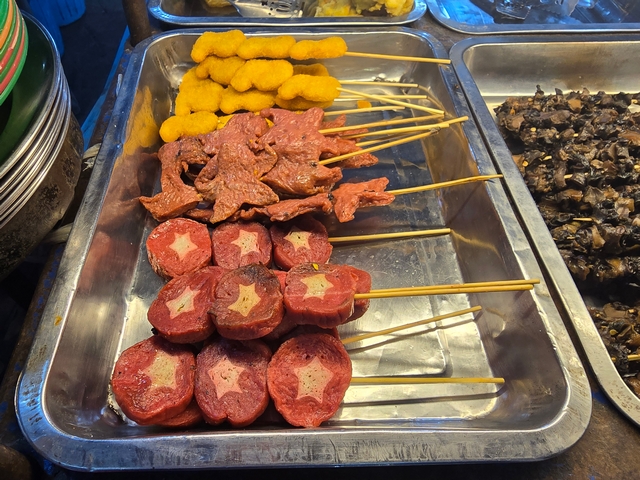
About to tackle the winding mountain roads of Morocco’s High Atlas? Take your motion-sickness medication before you need it. Heading to 15,000 feet on a trek in Nepal? Follow your doctor’s guidance on altitude medication and acclimatization. Going on a night walk in the Amazon? Wear long pants and sleeves and apply an effective insect repellent. Tempted by those mysterious skewers of meat on an Indonesian street corner with flies buzzing around them? Maybe pass on those. Sitting directly in front of Sneezy Sally on a long-haul flight? Time to break out the face mask from your travel med kit!

Skewers of colorful meats cut into star shapes at a street food stall in Yogyakarta
We're still not sure what exactly these mysterious meat skewers were on the streets of Yogyakarta, but we didn't try them since they had been sitting out at ambient temperature for who knows how long

You don’t need to be a rocket scientist to stay out of trouble; you just need a little foresight and a little common sense. Observing your surroundings, anticipating risks, and taking preventative measures can go a long way toward keeping your adventure on track.

We hope these tips are helpful, and when you are ready to start planning your next big adventure, reach out! We can help you plan a fully custom journey that avoids harrowing drives in sketchy vehicles, a food-poisoning-induced cleanse, or a visit to the local clinic.

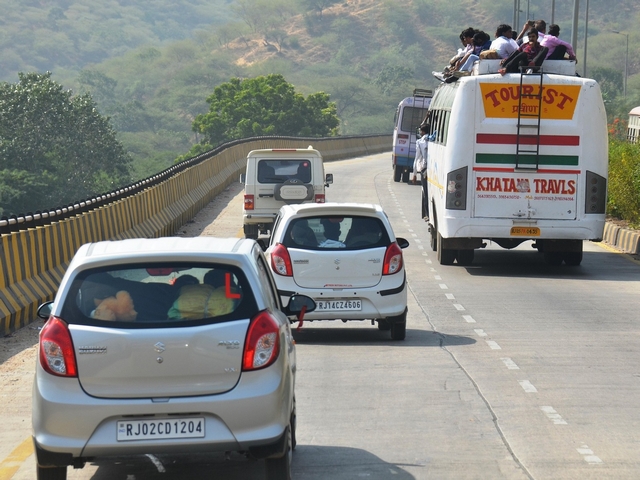
three white cars passing an overloaded white bus with people riding on the roof of the bus
Our guests' health and safety is a top priority when designing your fully custom adventure, and we promise you won't be traveling like this!

Your avid and (mostly) healthy adventurista,

Alexis Alloway

Let’s Stay In Touch

Subscribe to our newsletter

Contact Us