The Spiny Forests of Madagascar

Some places reward you with beautiful scenery, while others spark curiosity and bring you new knowledge that deepens your perspective on the world.

The spiny forests of southern Madagascar do both. Here, bizarre plants thrive in an unforgiving landscape, acrobatic lemurs leap between thorn-covered trees, and some of the world’s rarest creatures eke out a seemingly impossible living in a harsh environment characterized by heat and drought. Beyond the wildlife, encounters with the local Antandroy people offer a window into traditions shaped by ancestor worship, community ties, and an enduring connection to the natural world.

Madagascar’s spiny forest is the perfect place for curious travelers who appreciate genuine discovery, warm hospitality, and the pleasure of exploring a place few visitors will ever seek out. We have been twice over the past ten years, and cannot recommend it enough as part of a comprehensive Madagascar experience.
What Is The Spiny Forest Of Madagascar?

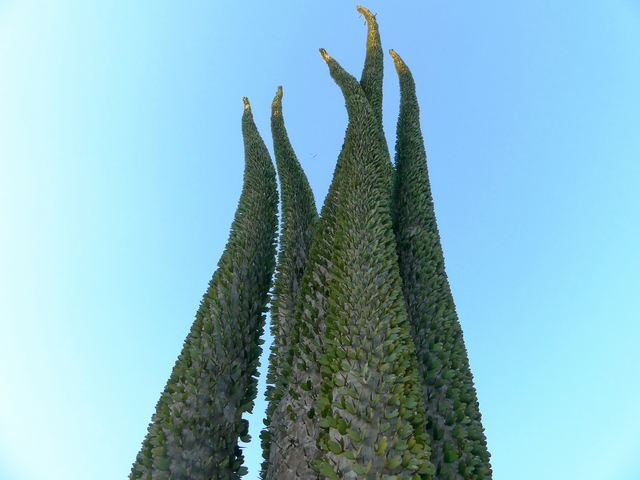
Madagascar’s spiny forests are a distinctive dryland ecosystem found in the island’s arid south and southwest, where scarce rainfall and poor soils have shaped extraordinary adaptations. The landscape looks almost otherworldly, with spiny plants that resemble cacti (though they are not closely related), strange octopus trees that reach for the sky, and a remarkable diversity of euphorbias and other drought-resistant plants. Around 95% of the plant species in this ecoregion are endemic to Madagascar, making it one of the island’s most botanically distinctive environments.

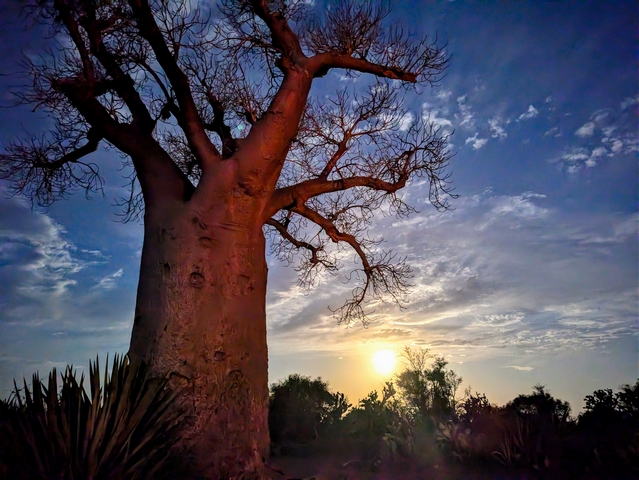
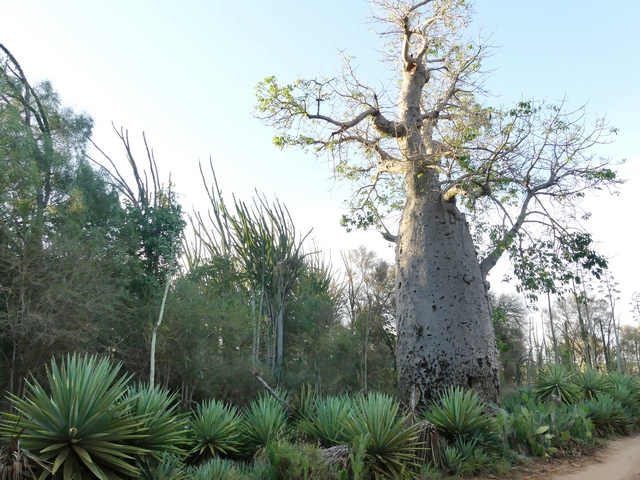
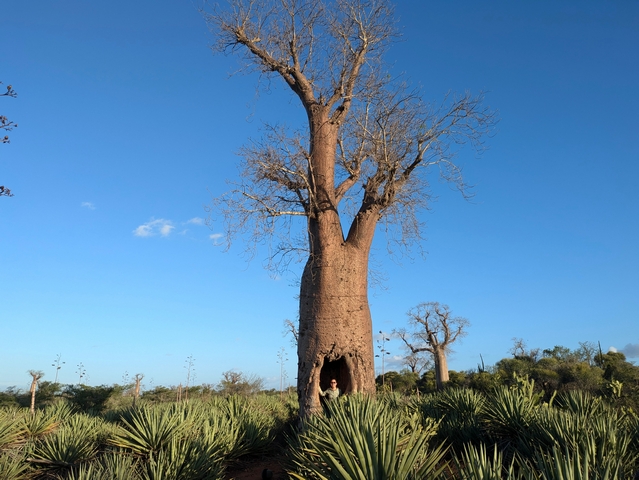
A large baobab tree dwarfs smaller plants around it in Madagascar's spiny forest.
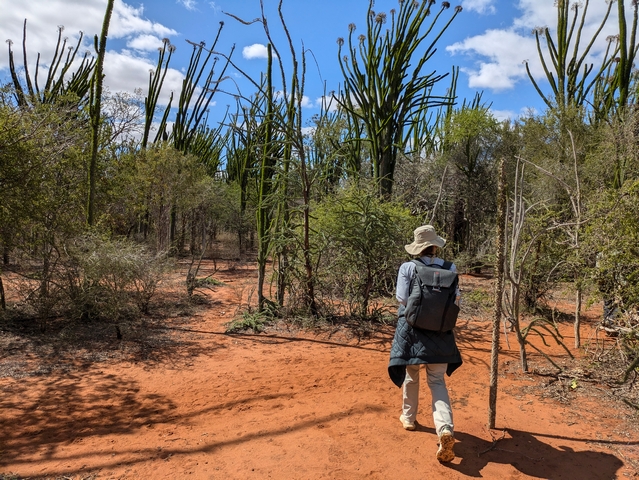
A woman walks on red soils toward the tendril-like, bizarre, tall, thin octopus trees in Madagascar's spiny forest.
Trunks of Madagascar's bizarre octopus trees, covered in thorns and small green succulent leaves.
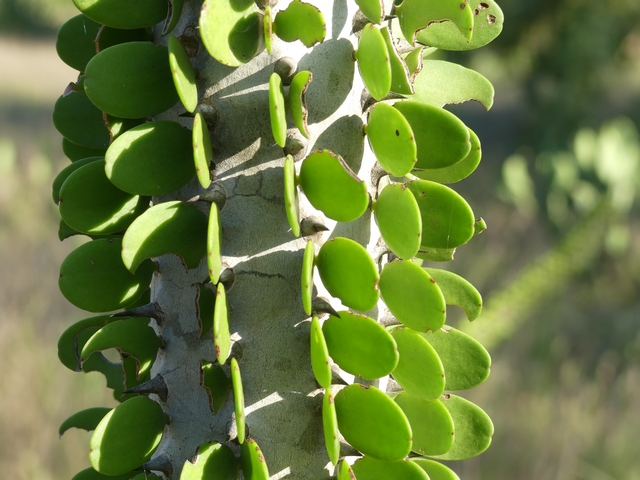
Close-up shot of the trunk of an octopus tree in Madagascar's southern spiny forest, showing sharp white thorns between rows of succulent round green leaves.

Rare And Endangered Wildlife In Southern Madagascar

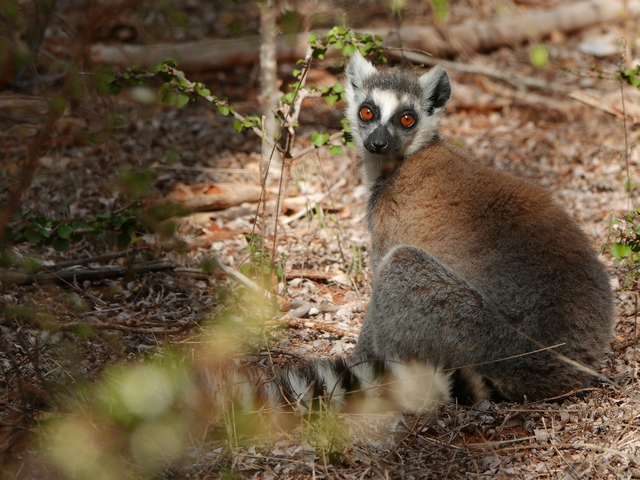
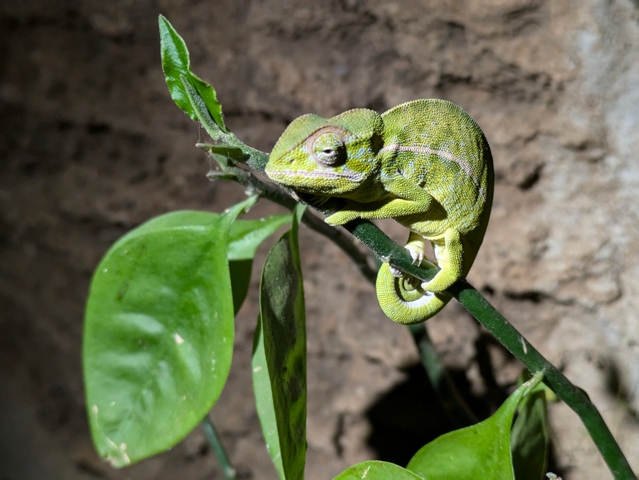
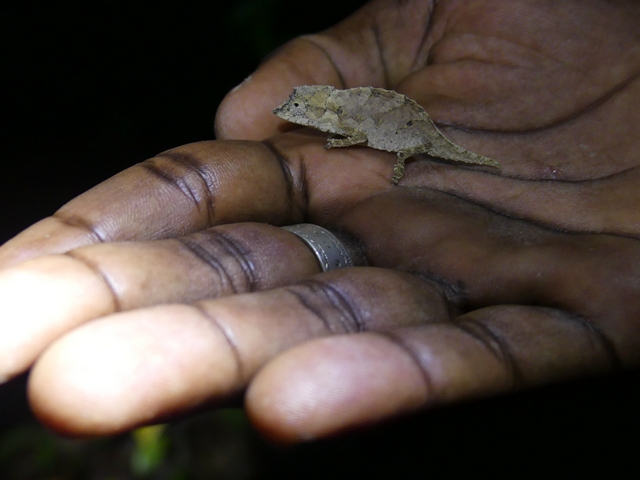
The best way to experience the spiny forest is on a nature walk, accompanied by a local naturalist guide. A flash of sudden movement might reveal a Verreaux’s sifaka leaping between trees, or a ring-tailed lemur scurrying about on the ground, peering up at you with its intense amber eyes. Slow down and look a little closer, and the smaller wonders emerge: a perfectly camouflaged chameleon, an endemic bird darting through the thorny scrub, or, if you are really lucky, a critically endangered radiated tortoise lumbering slowly across the forest floor. The spiny forest shelters wildlife found nowhere else on Earth, and every walk you take will delight and surprise you with new discoveries.

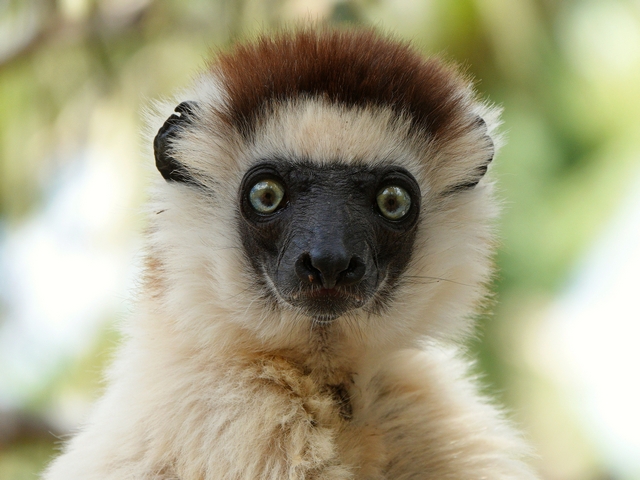
Head shot of a Vereaux's sifaka peering at the camera with intense yellow eyes, a black face, and a brown crown.
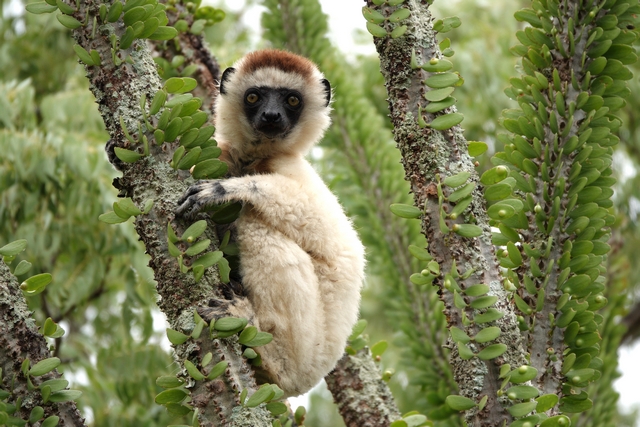
A white leemur (sifaka) with brown crown and black face looking at the camera as it clings to the side of an octopus tree in madagascar's spiny forest.
A ring-tailed leemur sitting on the ground peering at the camera with intense amber eyes in gallery forest in Madagascar.
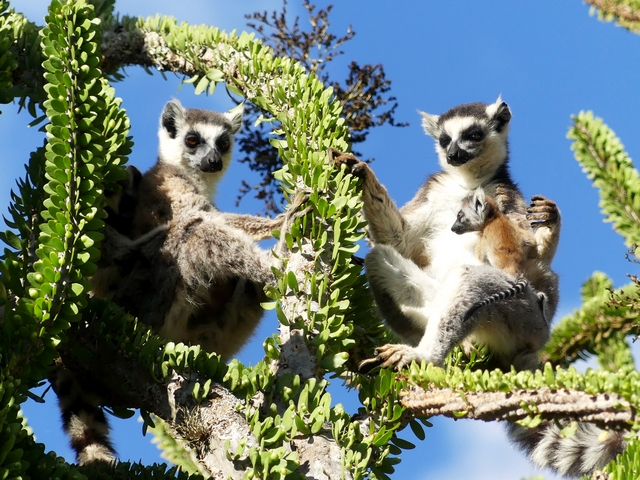
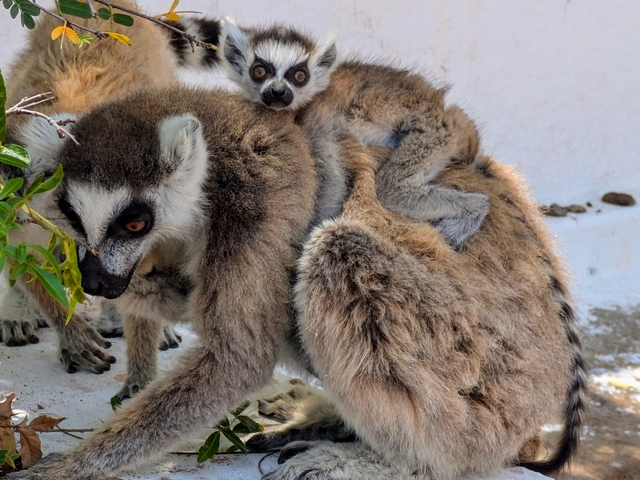
Two ring-tailed lemurs sit on an octopus tree branch in Madagascar's dpiny forest, with one lemur holding a tiny baby.
Spiny012
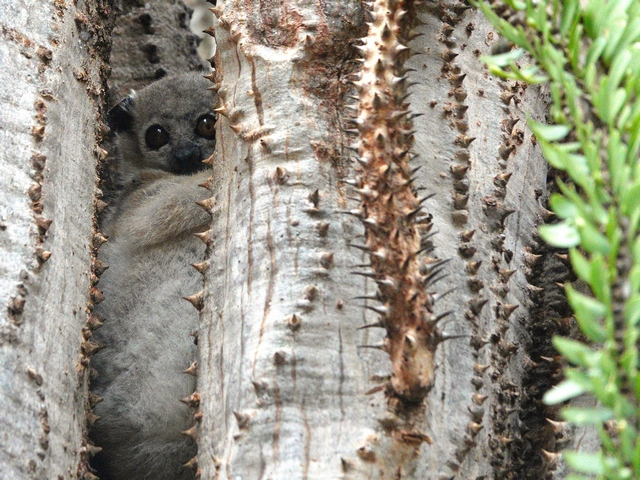
Sportive lemurs are nocturnal, but can sometimes be found sleeping in tree holes during the day.
A radiated tortoise with black and yellow patterns on its shell approaches the camera.
Radiated tortoises are critically endangered due to poaching and habitat loss, and an encounter with one in the wild is truly extraordinary.
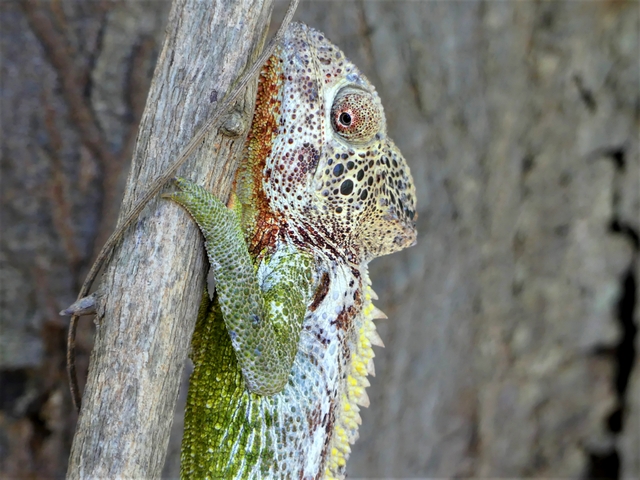
An Oustalet's chameleon with green, yellow, and orange hues climbing on a branch in Madagascar's spiny forest.
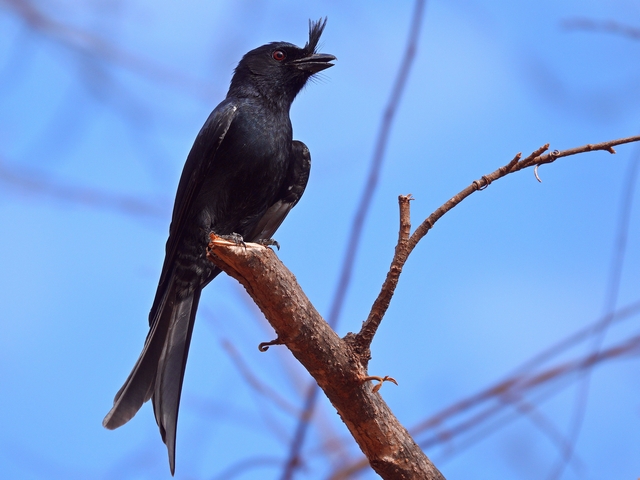
A crested drongo perched on a branch against bright blue sky.
The Crested Drongo is unmistakable, with its jet-black plumage and iconic feathered tuft.
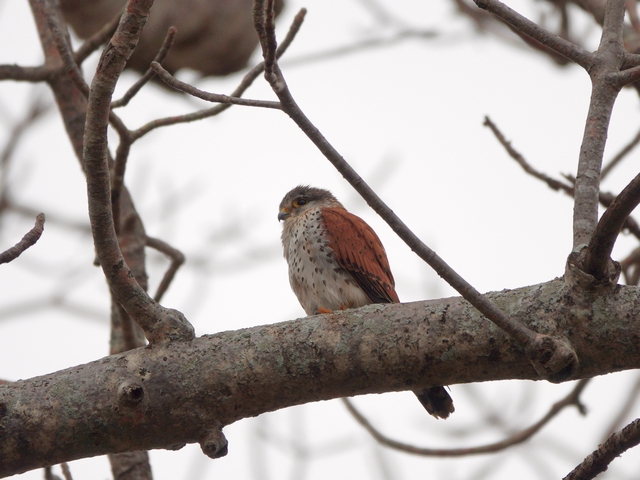
A malagasy kestrel perched on a branch, with a spotted breast and rufous wings.
The Malagasy kestrel is fairly common and somewhat noisy, making a loud, repetitive twittering sound.
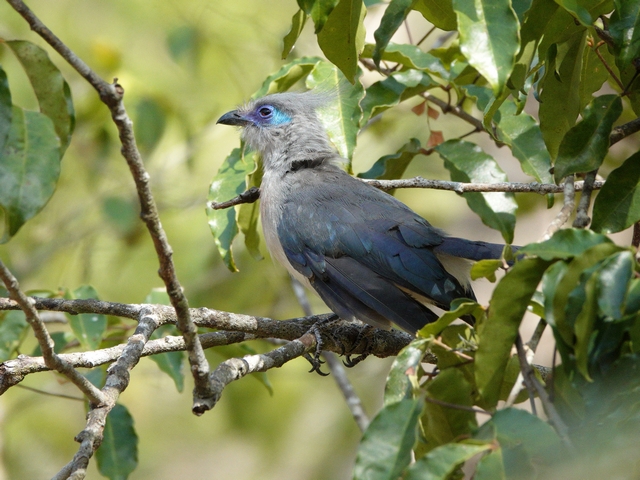
Verreaux's coua perched on a branch in the spiny forest of Madagascar, with a blue eye band and crested head.
Unlike other cuckoo species that lay eggs in other birds' nests, Verreaux's couas build their own nests.
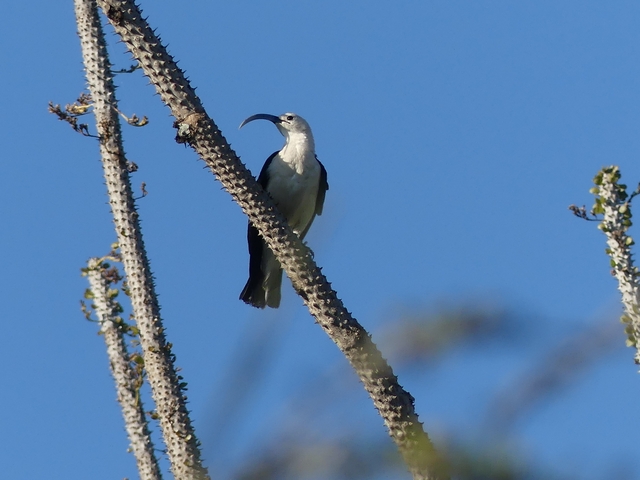
A sickle-billed vanga perched on a tree branch with blue sky behind it and a large, curved beak.
Vangas are only found on Madagascar, and the sickle-billed vanga of the spiny forest is known for its distinctive call, which sounds like a baby crying.

Night Walks In Madagascar’s Spiny Forest

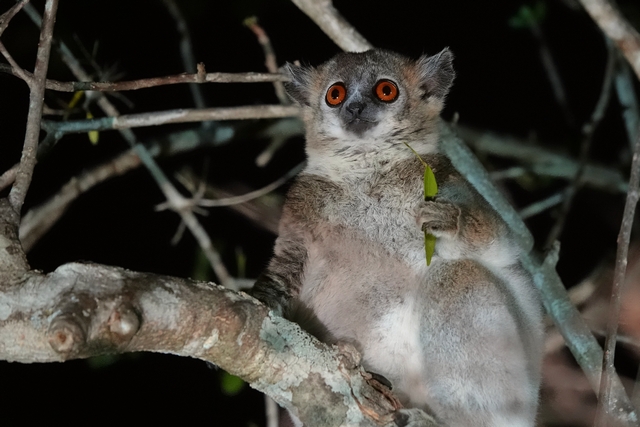
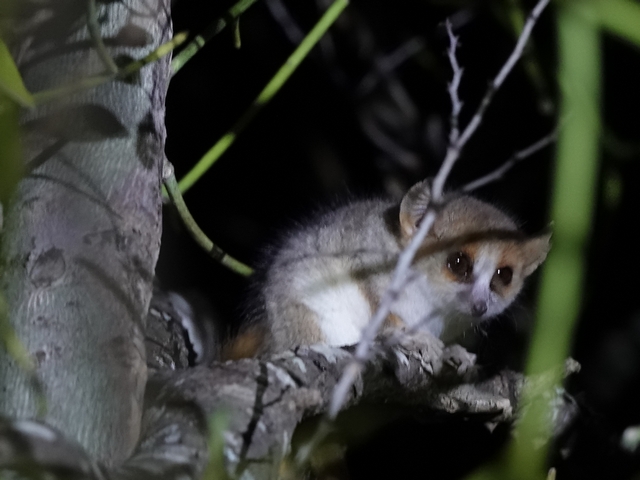
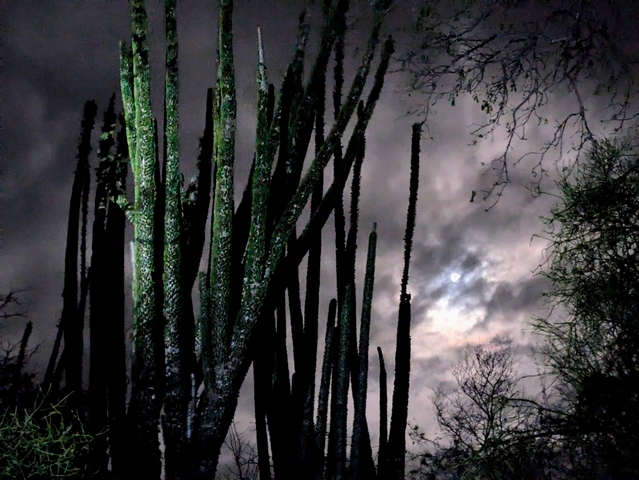
After dark, the spiny forest takes on an entirely different character as you explore under the light of the moon. Flashlights reveal the twisted silhouettes of octopus trees and catch the reflective eyes of creatures almost impossible to spot by day. White-footed sportive lemurs emerge, tiny mouse lemurs scamper through the trees, and sleeping birds, geckos, and chameleons become unexpected discoveries in the dark. The eerie silence of night is punctuated by the occasional hoots, peeps, and clicks of nocturnal wildlife, while your guide reveals a hidden world that most visitors to Madagascar never get to experience.
Spiny023a
Sportive lemur in Madagascar's spiny forest looking at the camera with reddish eyes and an upright posture.
Sportive lemurs are active at night and maintain an upright posture that they maintain while making impressive leaps from branch to branch.
Spiny020
Spiny022
Spiny023
Tall, thin branches of a succulent-studded octopus tree are illuminated against a partially cloudy, moonlit night sky.

The Antandroy People: Culture And Traditions Of Southern Madagascar

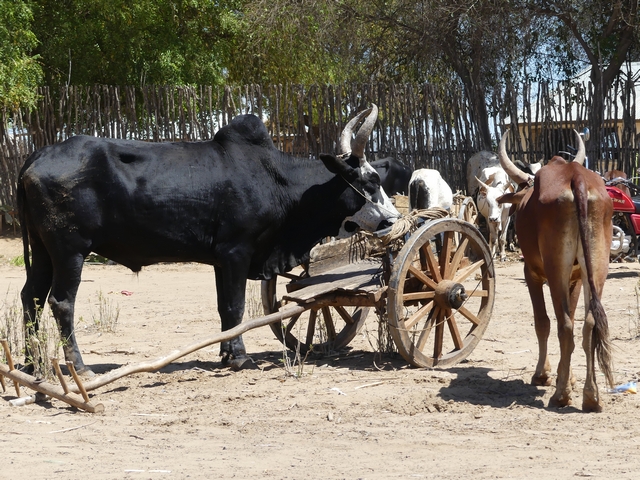
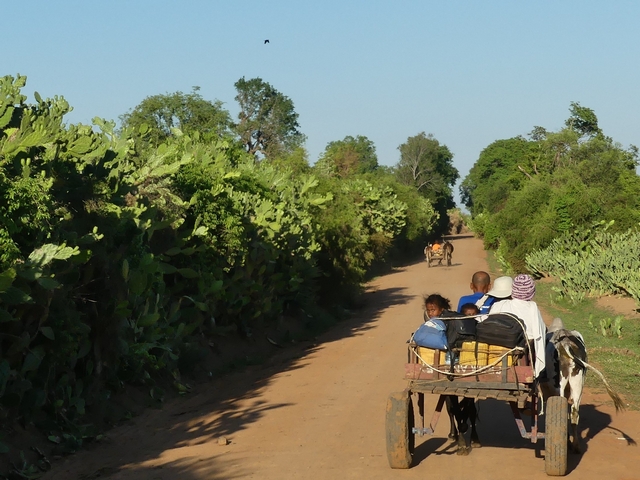
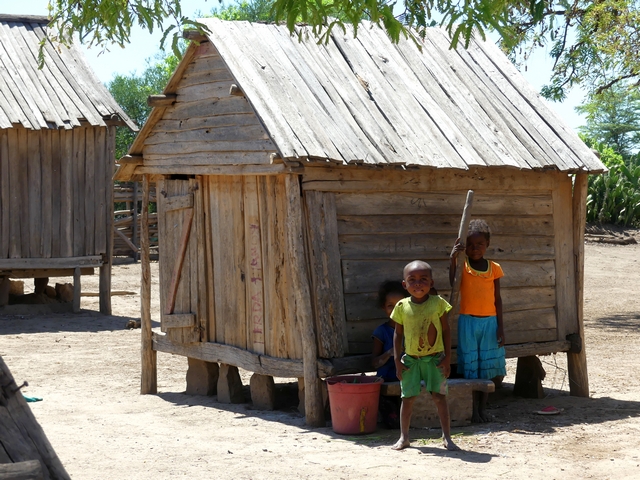
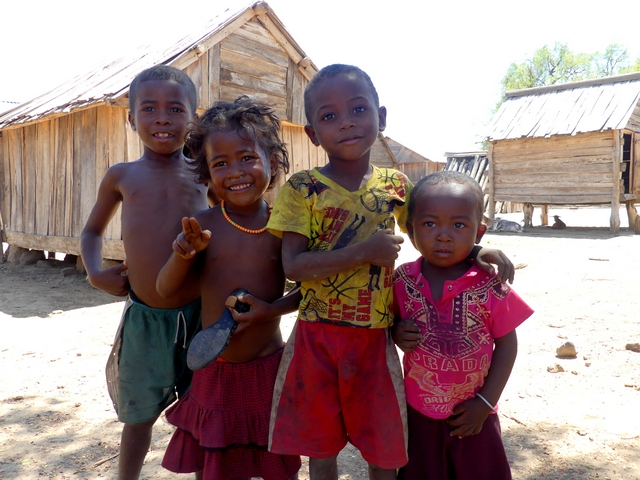
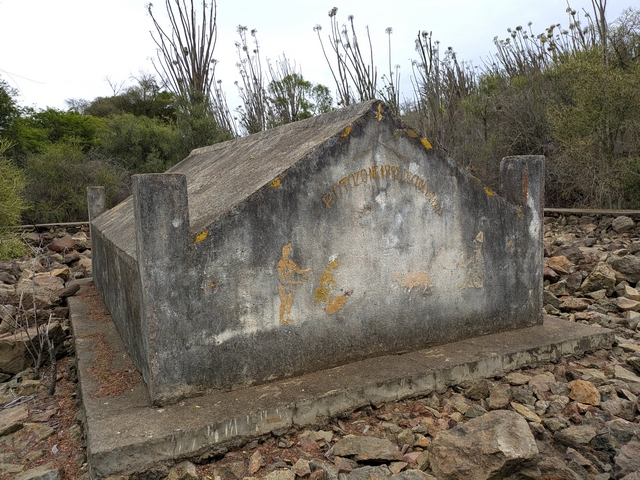
The spiny forest is also the homeland of the Antandroy, whose name is often translated as “people of the thorns.” Local life offers a fascinating perspective on the relationship between people, place, and tradition: zebu cattle remain important symbols of wealth and social standing, wooden plank houses reflect highly localized building practices, and ancestral tombs hold deep cultural significance.

You may see cattle being driven to market or learn about fady, the customary taboos that shape everyday life throughout Madagascar. Among the Antandroy, traditional prohibitions against killing radiated tortoises have helped protect a species threatened elsewhere by illegal hunting. Learning about these customs with a local guide adds a human dimension to the landscape, reminding us that this is not simply a wilderness to explore, but a place with its own history, beliefs, and living, evolving culture.

spiny024
spiny026
spiny025
spiny027
spiny028

Remote Luxury At Mandrare River Camp

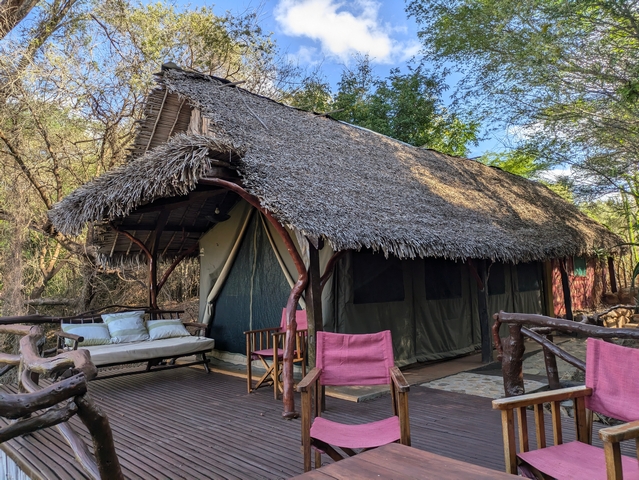
For all its remoteness, southern Madagascar offers a particularly rewarding kind of comfort. At Mandrare River Camp, a small tented camp tucked beneath tamarind trees beside the river, days unfold around guided wildlife walks, cultural visits, and unhurried time in nature. Return from the forest to excellent meals and warm hospitality, cool off in the pool, or settle onto your tent’s private deck with a book and views overlooking the Mandrare River.

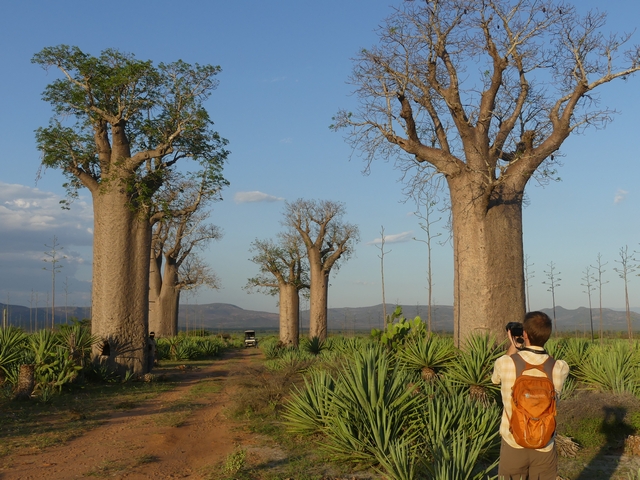
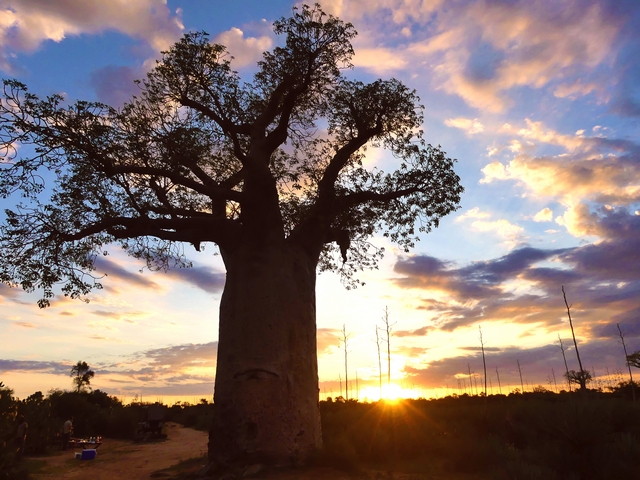
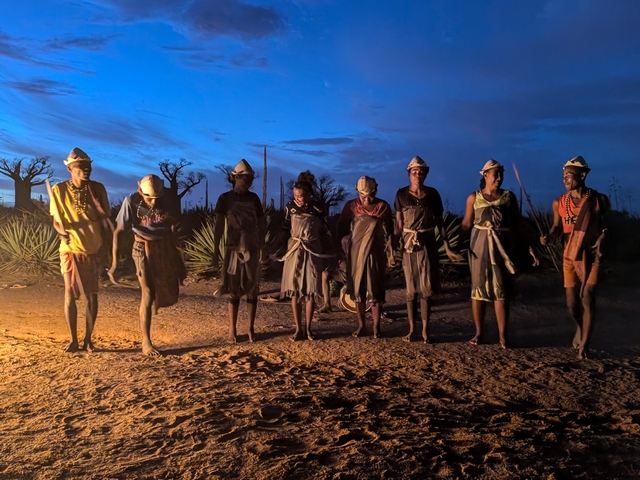
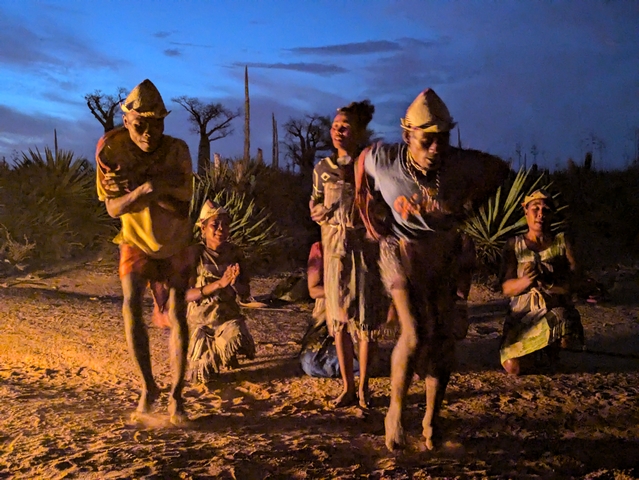
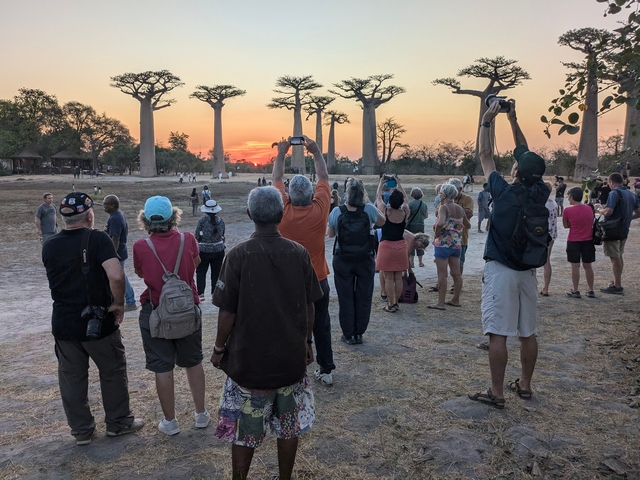
One of the highlights of staying at Mandrare River Camp is a sunset excursion to a secluded stand of baobabs that is far superior to the over-touristed Avenue of the Baobabs near Kirindy. At Mandrare, you will have your own, private Avenue of the Baobabs, where these towering giants frame the ever-changing light and sundowners give way to dinner beneath the stars. Traditional Antandroy music and dance complete the evening. Thoughtful comforts, personalized service, and extraordinary experiences in a place that still feels far removed from the usual tourist trail make this one of our favorite spots on the entire Eighth Continent.

Spiny029
Spiny030
spiny031
Spiny032
Spiny033
Spiny035
Spiny034

Conservation Through Responsible Travel In Madagascar

The spiny forest is among Madagascar’s most threatened ecosystems. Habitat loss, including the harvesting of trees for charcoal, puts pressure on wildlife and the communities that depend on the land. Responsible tourism can help create an alternative by giving forests and their wildlife tangible value to local people. At Mandrare River Camp, community-led conservation efforts include protecting sacred forests, supporting reforestation, and developing alternatives to traditional wood-fuel use. Visits also generate income for local guides and communities, many of whom have few economic options other than subsistence farming or performing back-breaking labor for low wages on the local sisal plantations. By choosing locally engaged tourism and learning about the challenges residents face, travelers can contribute to conservation while gaining a deeper understanding of the complex balance between protecting nature and supporting livelihoods.

Planning Your Visit To Madagascar’s Spiny Forest

The spiny forest around Ifotaka and Mandrare River Camp lies in a remote corner of southern Madagascar, typically reached by flying from Antananarivo to Fort Dauphin (Taolagnaro) and continuing by road for approximately three hours. A charter flight directly to the local airstrip can make the journey easier.

The best time to visit is generally May through November, when conditions are drier and wildlife walks are more comfortable. October is baby lemur season, so keep that in mind if you love baby animals as much as we do.

Spiny036

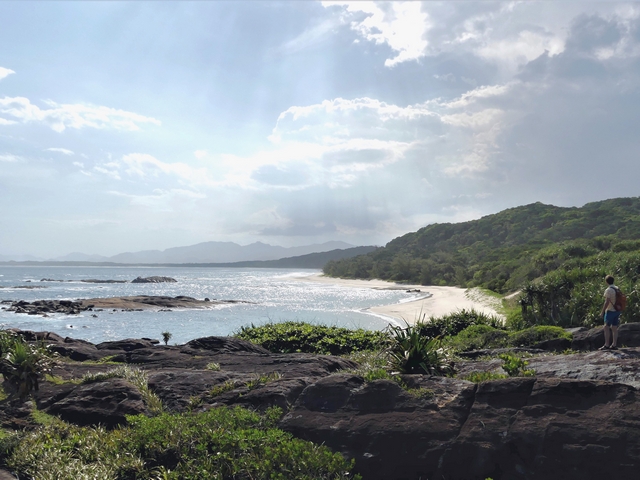
For a deeper immersion in the cultures and wildlife of southern Madagascar, consider combining the spiny forest with a few restorative days at Manafiafy Beach & Rainforest Lodge, where coastal forest walks, vibrant birdlife, and the fishing villages on the Indian Ocean offer a very different experience.
Spiny037

When you’re ready to discover the magnificent spiny forest for youself, reach out!

We can build it into a fully custom Madagascar journey that highlights the very best wildlife, culture, and experiences of this wondrous island.

Your Adventure Aficionado,

Alexis Alloway

Let’s Stay In Touch

Subscribe to our newsletter

Contact Us