The Okavango Delta: Africa’s Top Wilderness Escape

If you’re dreaming of a safari that goes beyond the game-drive norm, the Okavango Delta is hard to beat. Tucked deep in northern Botswana, this vast inland delta, designated a UNESCO World Heritage Site, is one of the most unique ecosystems on Earth. Each year, rains from Angola flood the Delta’s channels during the dry season, transforming the pancake-flat, semi-arid Kalahari into a sprawling, 5800-square-mile wetland oasis teeming with birds and wildlife. From June to August, elephants wade through deep waters, lions lounge on palm-fringed islands, and travelers can explore this watery wilderness by traditional mokoro canoe, open 4×4, or scenic helicopter flight. Often called “the Jewel of the Kalahari,” the Okavango is wild, remote, and full of surprises. Scroll through some of our favorite photos from our last trip to discover what makes the Okavango Delta one of Africa’s most unforgettable safari destinations!


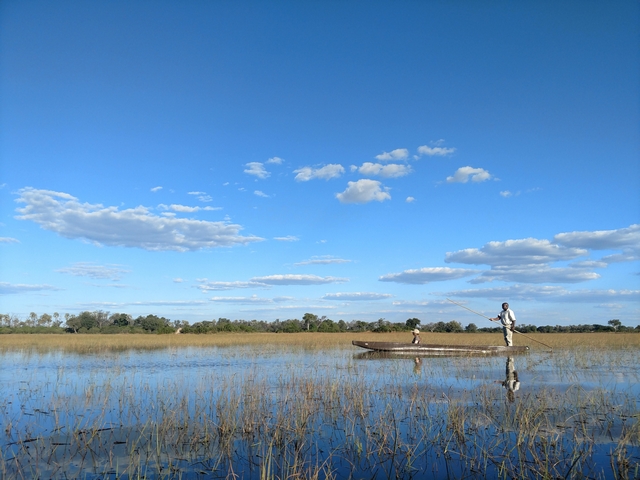
a safari guide poles two guests in a mokoro in calm waters reflecting clouds and the sky above in the okavango delta
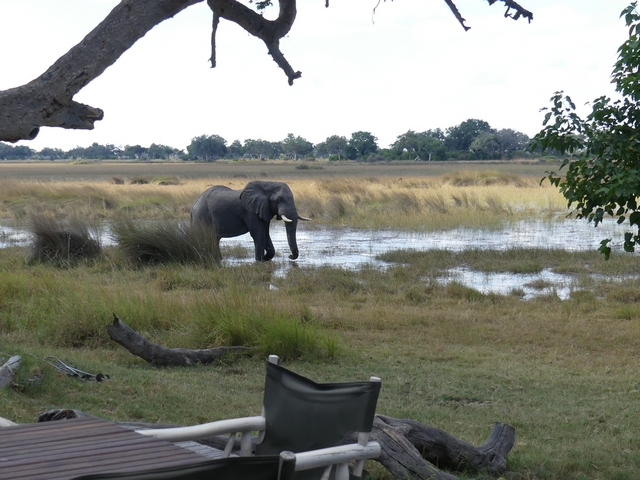
front view of a large elephant splashing in water, with wet grass covering its back
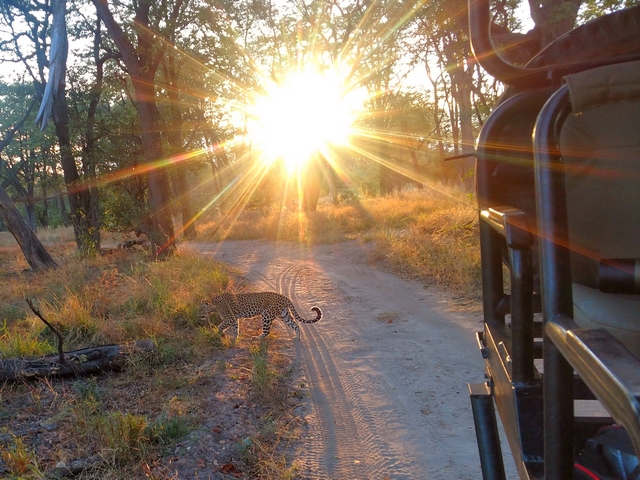
a leopard crossing in front of a Xaranna Camp safari vehicle in front of a setting sun
aerial view of the sprawling wetlands of the okavango delta from a small airplane, with the plane's wing visible

The Magical Mokoro: Lifeblood Of The Okavango

There is no more iconic symbol of the Okavango Delta than the mokoro. Traditionally carved from a single ebony or sausage tree trunk, these dugout canoes were once the lifeblood of local communities, used to navigate the Delta’s vast network of waterways. Today, a mokoro excursion offers safari-goers a uniquely tranquil perspective. As you glide silently through the glassy waters, guided by your expert guide poling from the stern, the world slows down. At sunset, water and sky transform into a palette of shifting purples and golds, accompanied by a chorus of peeping frogs and singing birds. With luck, you might spot elephants or Cape buffalo grazing nearby, an unforgettable way to encounter some of Africa’s most majestic wildlife.


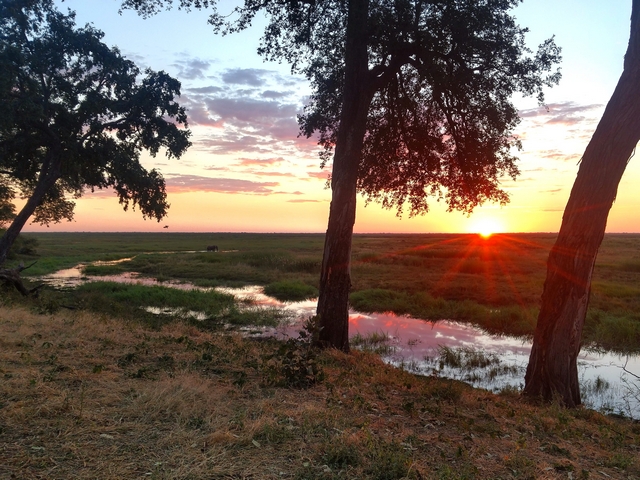
A golden sunset photo showing a mokoro in a wetland, with the sun and clouds reflecting in the waters of the okavango delta
a safari guide poling a mokoro with a guest as they navigate a reed-studded wetland in the okavango delta
three mokoros heading down a watery channel surrounded by marshland in the okavango delta
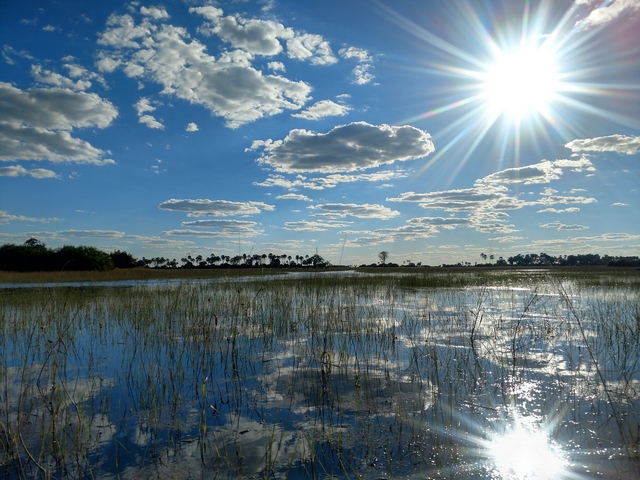
okavango delta wetlands studded with reeds and grasses, with a radiant sun low on the horizon overhead
a tiny, red reed frog with white spots clinging to a reed in the okavango delta, with marshland behind it
a cape buffalo with grass in its mouth surrounded by greenery

The Okavango's Iconic Wildlife

The indigenous Wayeyi people of the Okavango Delta have a saying: ami uparo, which roughly translates to “water is life.” This timeless phrase captures the essence of the Delta, where seasonal floodwaters arrive during the dry season, breathing life into the landscape and sustaining both its people and wildlife. Abundant water brings abundant elephants – with over 130,000 of them, northern Botswana has the highest density of elephants in all of Africa. The region is also home to rare semi-aquatic antelopes like the elusive sitatunga and the graceful red lechwe, often seen bounding effortlessly through the flooded plains. Predators also benefit from the life-sustaining waters of the Okavango, and on safari you will track lions, leopards, cheetahs, African wild dogs, spotted hyenas, and black-backed jackals with your expert guide.

One of my favorite things about the Delta is that most camps are unfenced and fully immersed in nature, treating guests to extraordinary in-camp wildlife encounters. Some of my favorite memories from our last trip include hearing the baby francolins peeping while nesting under the wooden platform of our tent; having elephants casually interrupt our afternoon high tea with an unexpected parade through camp; watching a lone hyena stare me right in the eyes before disappearing into the morning mist as I sipped a cappuccino at dawn; and falling asleep each night to a symphony of hippos, frogs, hyenas, and other mysterious, unidentifiable sounds of the African night.

a small herd of red lechwe in front of a termite mound in the okavango delta
portrait of a wildebeest with a spiky mane and grass in its mouth
portrait of a zebra with four oxpecker birds sitting on its back
a young giraffe standing in dry grass with a mother giraffe looking on behind it
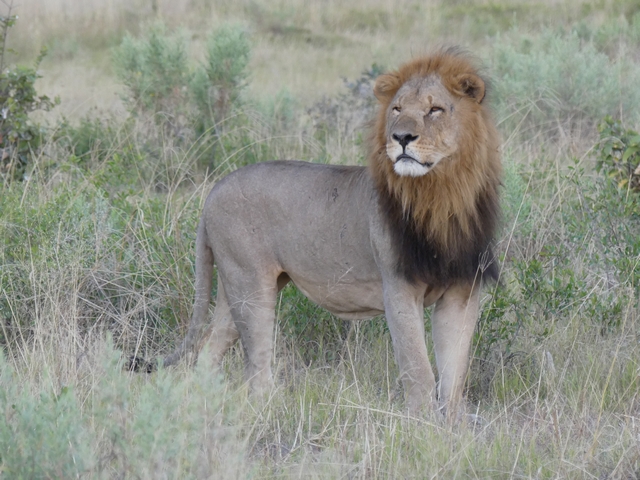
a majestic male lion with a long mane
an african painted dog with dried blood on its face walking toward the camera
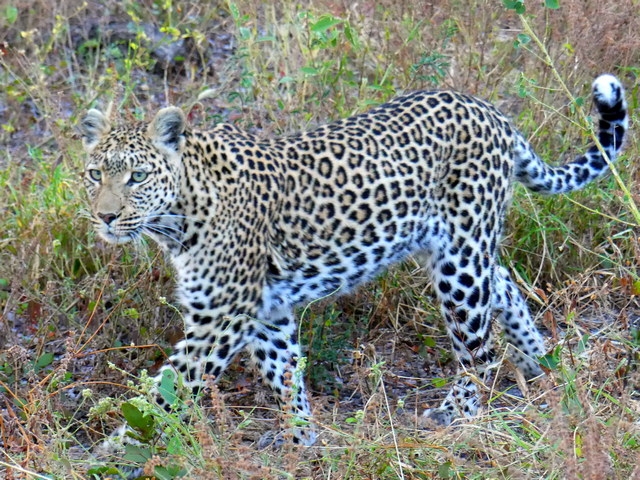
a leopard with intense green eyes walking through tall grasses in the okavango delta near xaranna camp

Abundant Birds

Any avid birder knows that water means life for birds as well as mammals, and the Okavango Delta is one of the premier birding destinations in all of Africa. With over 450 recorded species, including rarities like the endangered Wattled Crane and the elusive Slaty Egret, the Delta offers exceptional avian diversity. Each day on safari reveals new feathered friends, whether it’s a dainty jacana delicately stepping across lily pads or the dramatic sight of an African Fish Eagle swooping down to snatch a fish from the water. From beautiful bee-eaters to secretive owls and technicolor kingfishers, the Delta’s birdlife delights birders of all levels and might even convert the casual hobbyist into an avid enthusiast.


an african fish eagle perched atop a dead tree with a clear blue sky behind it
three colorful bee-eaters perched on a branch with okavango grasslands behind them
close-up of a colorful lilac-breasted roller perched on a branch with big puffy clouds behind it
a large brown hamerkop bird standing at the water's edge, with trees reflecting in the water behind it
an african barred owlet perched on a naked tree branch

Nature Without the Crowds

What brings me back to Africa again and again is the opportunity to escape the noise, clutter, and busyness that pervades modern life, and the opportunity to simply be in raw, unscripted nature. The Okavango Delta remains one of the best places on the African continent to detach and unwind and feel like you are in the middle of a BBC documentary. It is gloriously remote, unreachable by road and accessible only by light aircraft that touch down on dusty airstrips deep in the bush. There are no crowds, no tour buses, and few cell towers – just wide open floodplains, ancient ebony trees, and the gentle swishing of zebra tails as afternoon clouds drift lazily overhead.

Botswana’s commitment to low-volume, high-value tourism means you’ll often have vast concessions entirely to yourself, with just a handful of other guests sharing hundreds of square miles. It’s not uncommon to go on game drives without seeing another vehicle all day, and walking safaris, night drives, and scenic helicopter flights add unique perspectives to understanding this complex ecosystem. The Okavango rivals the Serengeti as one of the last, intact large-scale ecosystems on Earth, and there is something deeply profound about getting to witness its ancient rhythms unfold each day.


an african wild dog looking at a luxury safari vehicle as guests snap photos at sunset
the setting sun touching the horizon of sprawling wetlands at Linyanti Bush Camp
A guide from And Beyond's Xaranna Camp driving a safari vehicle through the watery roads of the okavango delta
looking across a table from the dining area of Xaranna Camp at a large bull elephant strolling into camp

Authentic Luxury Camps that Support Conservation

As a professional traveler who has scouted destinations around the globe, a well-done safari camp remains my favorite retreat, and Botswana tops the list for having some of the most outstanding camps in Africa. There’s a rare magic in staying somewhere that combines complete privacy with world-class comfort, where you can unwind in a steaming bubble bath while watching elephants wander past your deck, or fall asleep under a starry night sky in a sky bed to the distant roar of lions in the darkness beyond.

What truly sets Botswana’s camps apart is their strong commitment to conservation. Many work closely with local communities, ensuring tourism revenue supports vital projects like jobs, schools, clinics, and food assistance. I still vividly remember one of our naturalist guides, a former elephant poacher with extraordinary tracking skills. Witnessing him now shooting elephants with cameras instead of guns filled me with profound hope and joy, embodying the transformative power of conservation when ecotourism is done well.

a canvas luxury safari tent at sable alley in the okavango delta
two safari guests standing in front of a small helicopter before a scenic helicopter flight over the okavango delta
looking across the sofas in the common area of Sable Alley at the wetlands beyond camp
Sable Alley
two guests in the swimmin gpool at SAlbe Alley Camp in the Okavango Delta gaze out at a herd of elephants drinking water just beyond
Sable Alley
lanterns surround a plunge pool at a canvas tent at the luxury xaranna camp in the okavango delta
Xaranna Okavango Delta Camp
a canopied bed looking out over a water hole at xaranna camp in the okavango delta
Xaranna Okavango Delta Camp

Ready To Experience The Okavango?

Check out our other Okavango blog with more information on the nitty-gritty details of where and when to go. Better yet, give us a call! There are endless ways to customize your ideal Botswana safari. The Delta is exceptionally well situated, and it easily pairs with nearby destinations like Victoria Falls, Namibia’s dramatic deserts and dunes, or the rich wildlife regions of Zambia and Zimbabwe. Whether you want to focus on water-based wildlife encounters, exclusive luxury camps, or exploring the bush on foot by walking safari, we can’t wait to create a seamless itinerary designed just for you!

a blazing red sun touching the horizon under a purple sky in the okavango delta

Your Wild Adventure Aficionado,

Alexis Alloway

Let’s Stay In Touch

Subscribe to our newsletter

Contact Us