In addition to learning about Vietnam’s layered spiritual practices, another highlight of our trip was the openness, resilience, and warmth of the local people. The personal stories of our 40-something and 50-something-year-old guides were especially poignant. Those who lived through post-war Communism, before the country opened up to outside trade in 1986 and lifted the U.S. embargo in 1994, grew up in desperate poverty. We heard tales of food shortages that prompted eating rats and snakes to survive, being forced into arranged marriage at age 15 so the family could collect a dowry, and selling scrap metal from unexploded bombs on the black market to supplement the inadequate food rations from the government (11 ounces of meat for one family for a month apparently doesn’t last long).
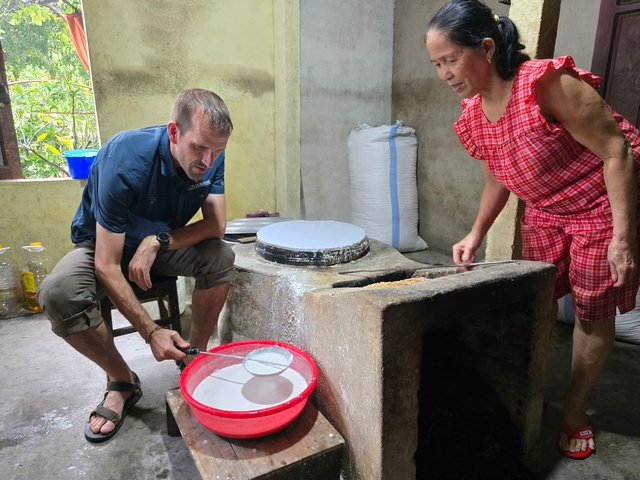
Every one of these stories was told by someone who is now making a decent living working in tourism, with ample food, housing, and medicine, and kids who go to private schools. The personal stories of our guides and the people they introduced us to embody Vietnam’s radical transformation better than any book or museum ever could, and highlight how much depth and richness a good local guide adds to the travel experience. I feel incredibly lucky to have traveled to Vietnam today, at a time when people still remember the war and the difficult aftermath – their personal stories added an element of richness and understanding that will eventually be lost over time.