The Otherworldly Uyuni

Bolivia’s Uyuni Salt Flats are an amazing wonder of the world and a photographer’s dream! In addition to surreal scenery at any time of day or night, they also offer unparalleled solitude, exotic wildlife, and authentic cultural encounters infused with intriguing human history. We spent several nights based in a tiny Indigenous village at the foot of a sacred volcano on the northern edge of the salt flats, and each day’s explorations brought new surprises. Read on to see photos from our adventure and to learn more about this extraordinary place!
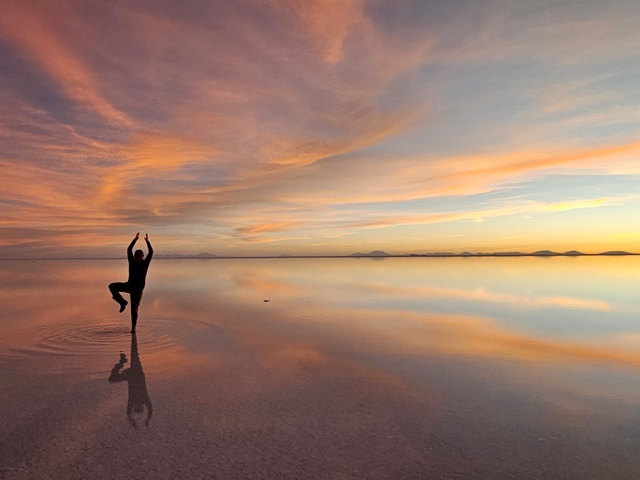
 

A person in a yoga pose at sunset on the uyuni salt flats, with the person and clouds reflecting in the water
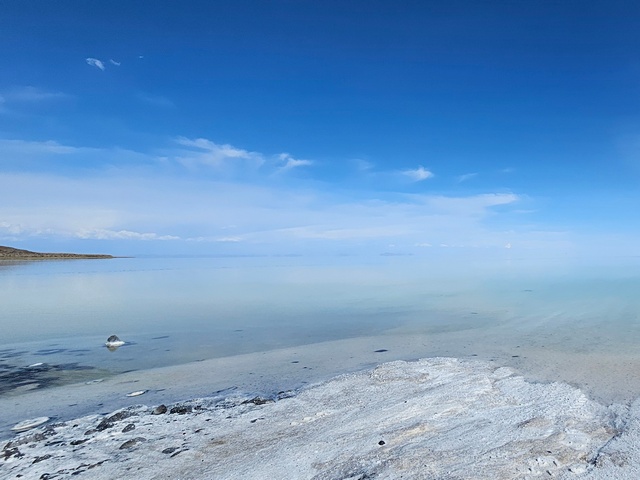
uyuni salt flats showing water and salt and sky
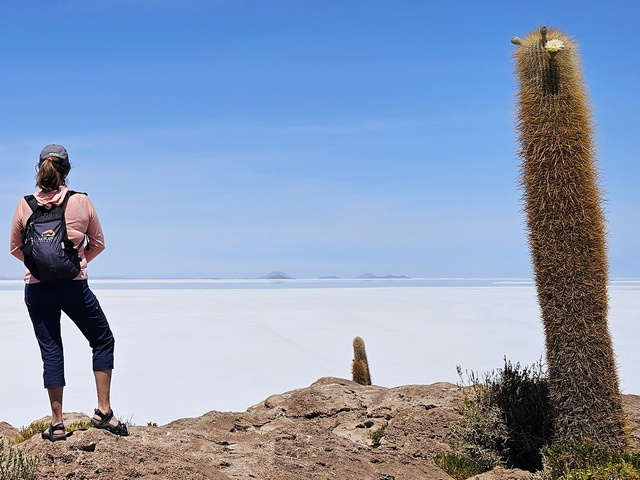
a hiker standing next to a cactus on isla incahuasi, looking out over the vast expanse of the uyuni salt flats
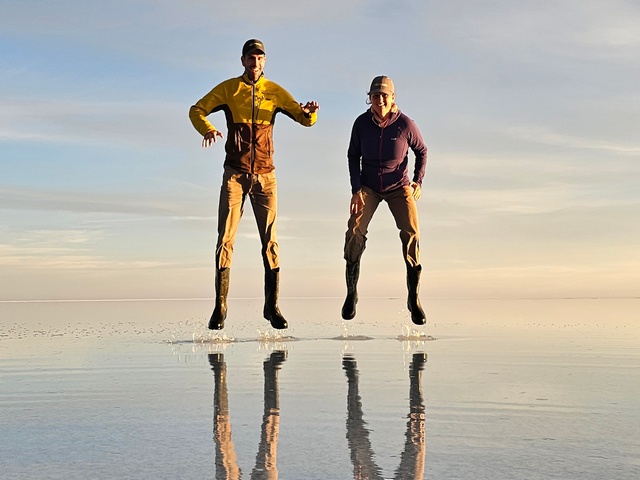
two people in a mid-air jump, with their reflection on the water below them, on the uyuni salt flats
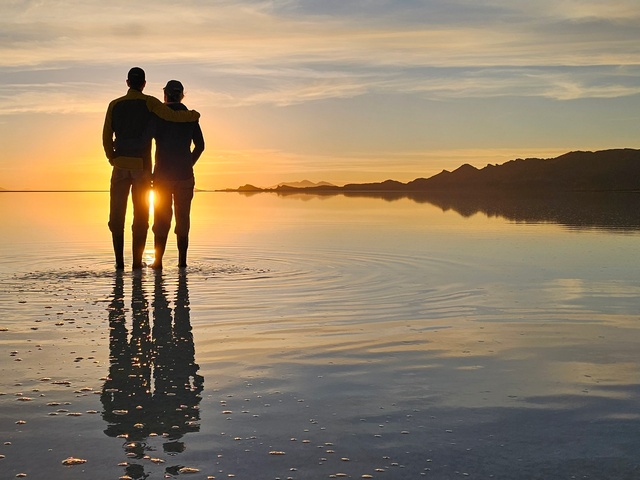
a couple enjoying a romantic sunset and the mirror effect on the uyuni salt flats

How did the Uyuni Salt Flats Form?

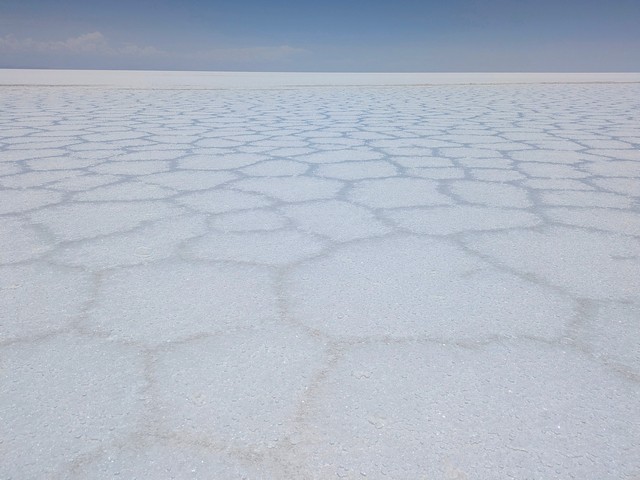
The Uyuni Salt Flats are the world’s largest salt flats, covering 3,900 square miles, with an average elevation variation of less than one meter across the entire Salar. The salt flats formed from prehistoric lakes that evaporated over time, and the resultant salt crust (which ranges from several centimeters thick to 10m thick in the center) covers a pool of lithium-rich brine underneath. The circulation of this saltwater underneath the crust results in hexagonal patterns on the surface, a common feature found throughout salt flats worldwide. The Uyuni is so vast that it’s visible from space, and it is estimated to contain 10 billion tons of salt.


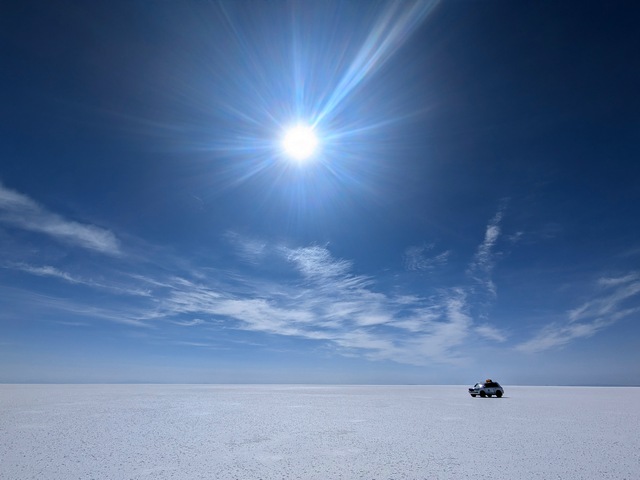
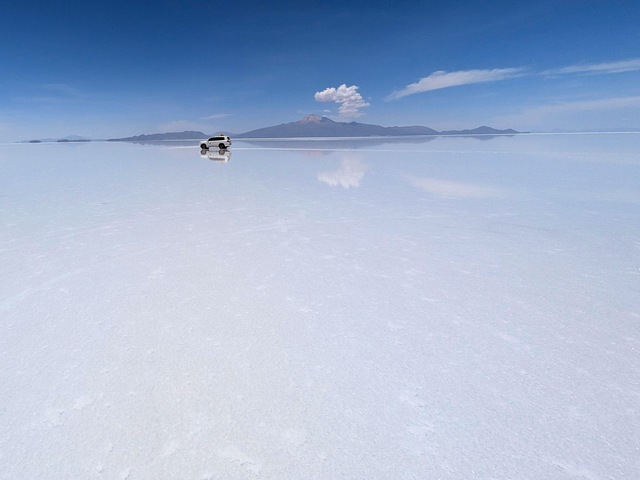
A single vehicle looks tiny compared to the endless expanse of flat and white that surround it under a sunny blue sky at the uyuni salt flats
Hexagonal patterns and visible salt crystals on the uyuni SAlt Flats
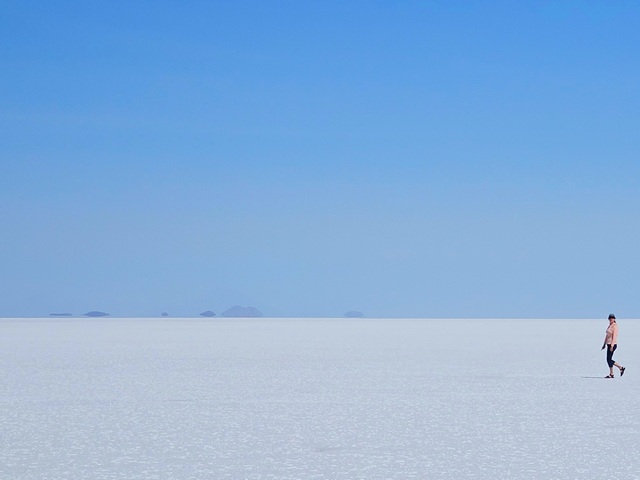
a woman hiking on the vast flat expanses of the uyuni salt flats
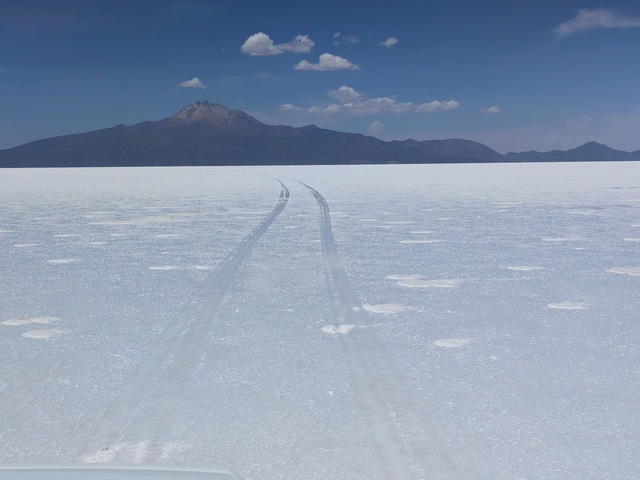
a set of tire tracks across the uyuni salt flats
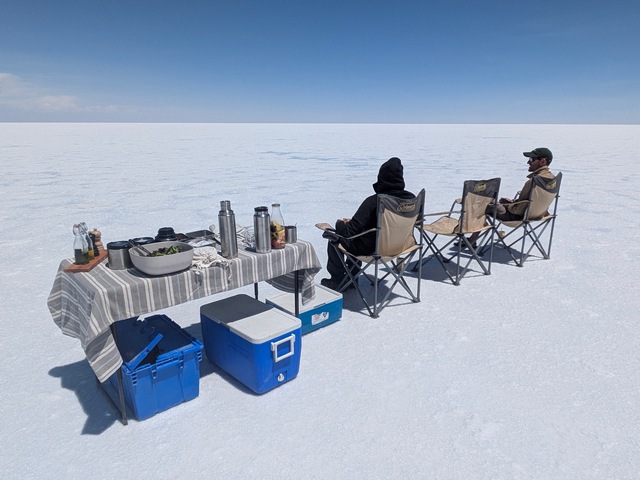
Two people enjoying a picnic lunch while seated in folding chairs next to a table on the vast, endless Uyuni Salt Flats

Uyuni’s Infamous Mirror Effect

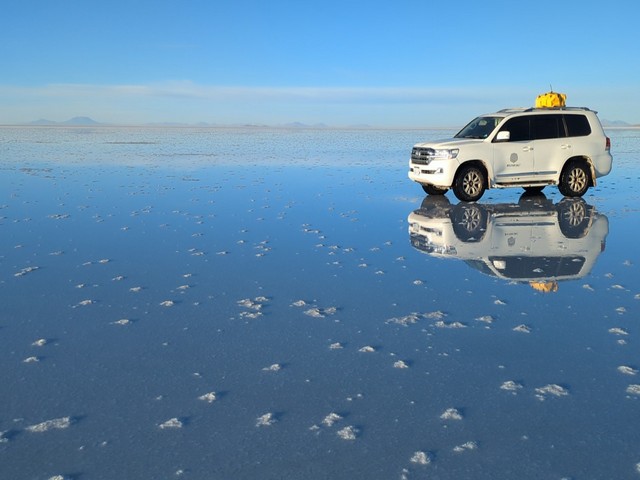
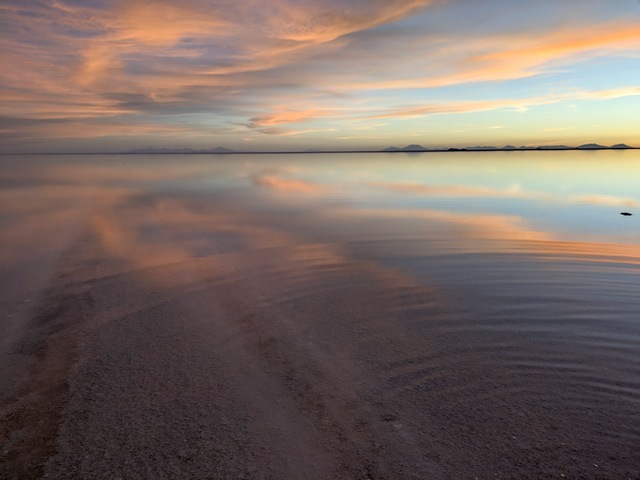
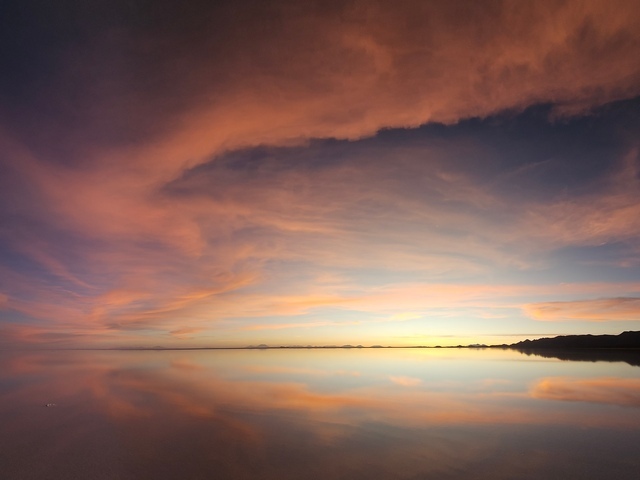
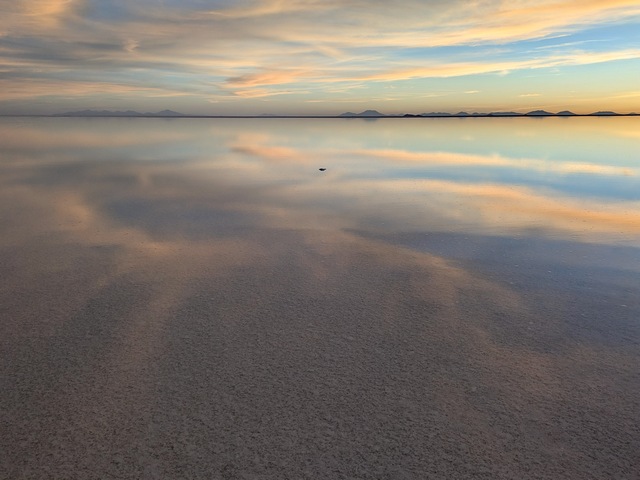
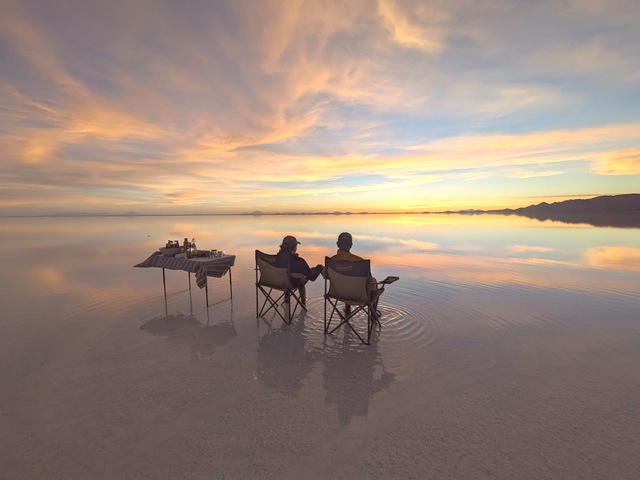
We were lucky to visit the salt flats at the start of the rainy season (December to April), and we got to experience the infamous mirror effect, where rainwater pools up on the salt and creates the world’s largest mirror. Morning and evening light create vivid reflections and stunning photo opportunities. Enjoying a sunset happy hour out on the flats (in the comfort of rubber boots!) was a highlight of our stay. It totally felt like heaven on Earth!

A white vehicle parked on reflective blue waters studded with salt crystals near Explora Uyuni Lodge
evening reflections of clouds on water at sunset at the uyuni salt flats at colchani
thick red clouds reflecting in the pink and blue waters below on the uyuni salt flats near colchani
clouds reflecting on the mirror-like uyuni salt flats at sunset
a couple sitting in chairs next to a table enjoying the mirror effect on the uyuni salt flats at sunset
a jeep in the far distance on the uyuni salt flats with the tunupa volcano behind it

Perspective Photos from the Uyuni Salt Flats

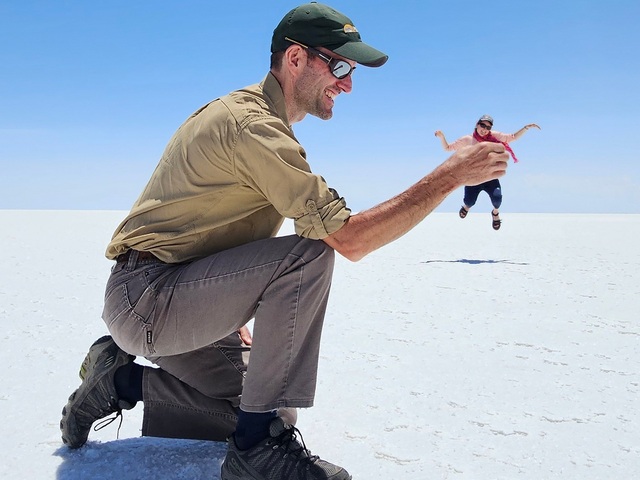
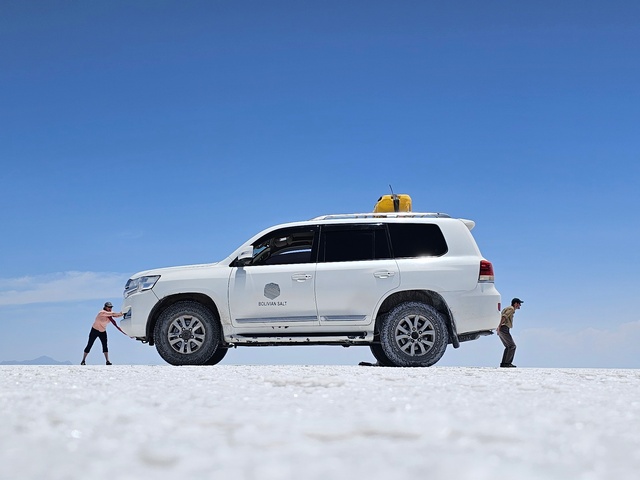
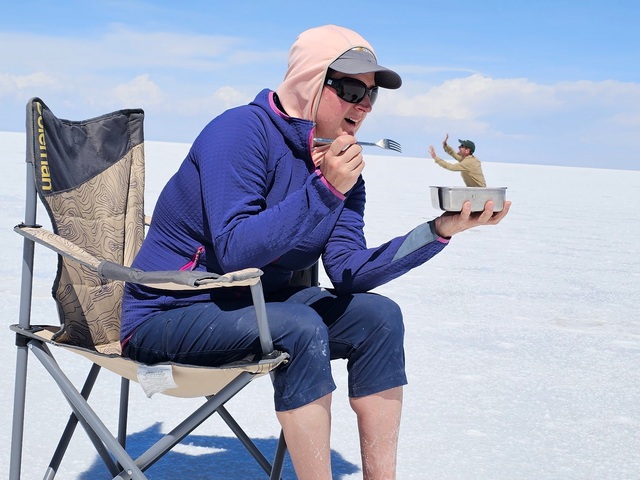
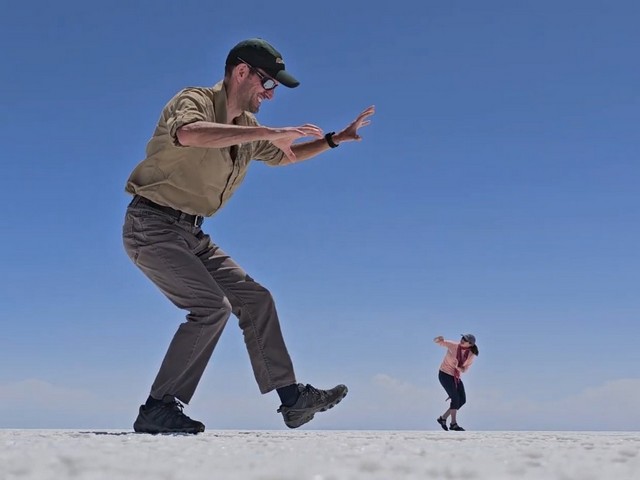
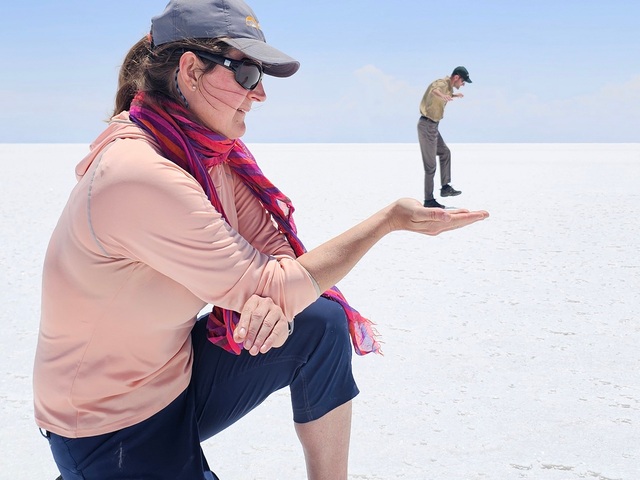
The flat, featureless expanses of the Uyuni Salt Flats allow photographers to play with perspective and depth of field. Our fantastic local guide and driver both helped us set up some pretty hilarious shots, and we spent several hours giggling and goofing off with our cameras out in the middle of the flats. The key to getting good perspective shots is to get the camera on the ground and close to the larger object while making sure the distant subject doesn’t get too far away.


a perspective photo from the uyuni salt flats of a giant man
a perspective photo from uyuni salt flats with two tiny people pushing a giant car
perspective photo from the uyuni salt flats of a woman in a chair eating a tiny man in a can
perspective photo from the uyuni salt flats of a giant chasing a woman
perspective photo on the uyuni salt flats of a giant woman holding a man in her hand

Uyuni's Human History and Culture

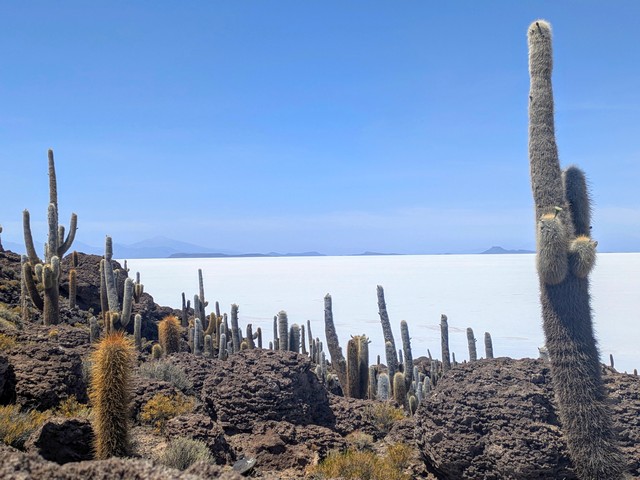
Nearly 60% of Bolivia’s population identifies as Indigenous, and the Uyuni offered excellent cultural encounters and lessons on human history. The Aymara people have lived around the flats for millennia, extracting salt, raising llamas, and growing quinoa. The salt flats have historically served as a trade route connecting the Andes to the rest of South America, and we enjoyed a stop at Isla Incahuasi, a cactus-studded island in the middle of the flats that served as a temporary refuge for Incan traders. These traders would travel a multi-month journey from the interior to the sea and back. Other highlights included visiting ancient ruins, an eclectic local museum, and an outdoor sculpture park framed by the imposing Volcan Tunupa.

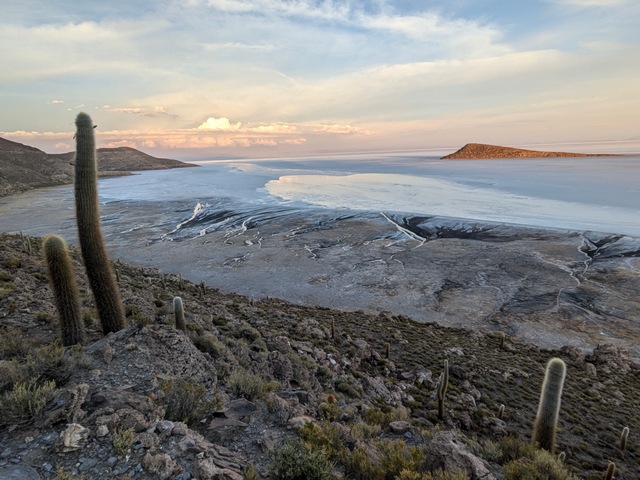
view of cacti framing the white salt expanses of the uyuni salt flats from isla incahuasi
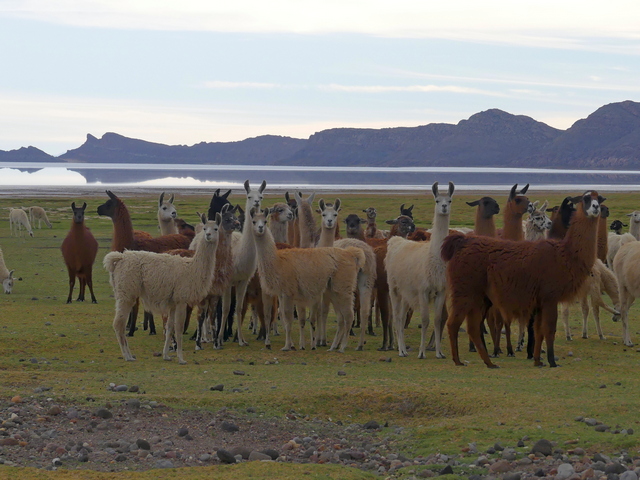
herd of llamas at colchani uyuni salt flats
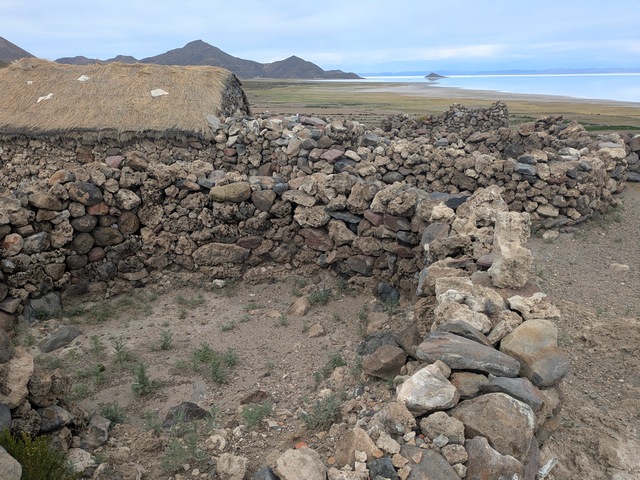
ancient stone walls at Pukara Ayque ruins
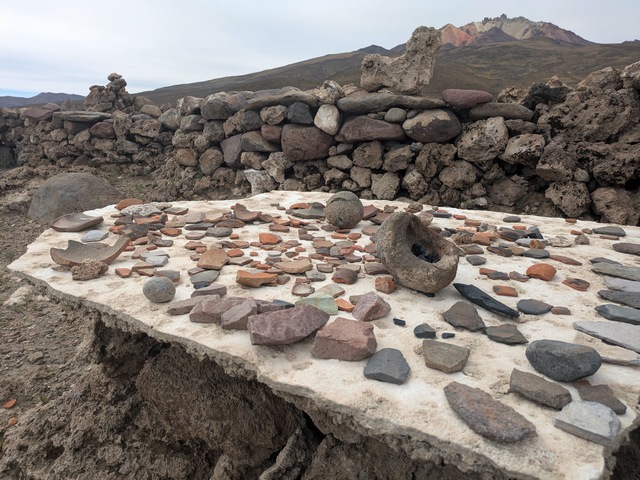
a table displaying potsherds and other artifacts at pukara ayque ruins
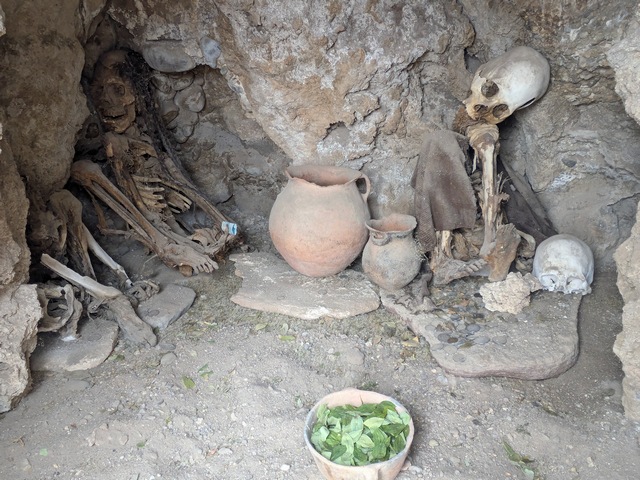
human skeletons in a cave with a bowl of coca leaves left as an offering at pukara ayque ruins
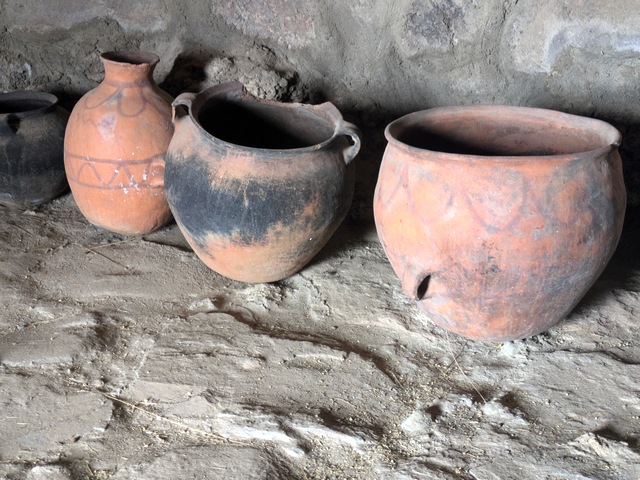
three large intact pottery vessels at pukara ayque ruins
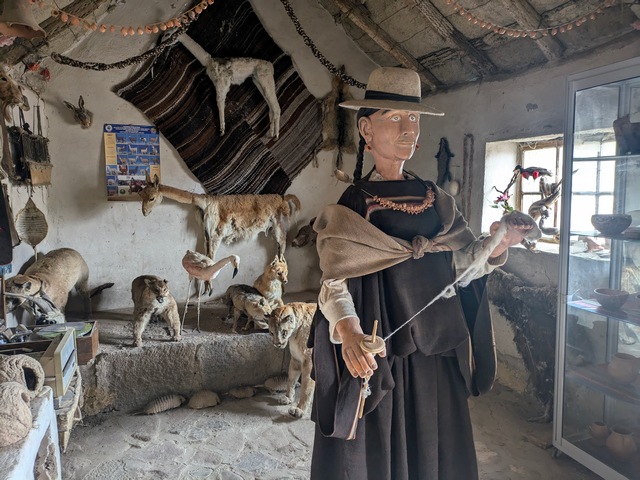
display showing local wildlife and traditional dress of the local people at Museo Chantani
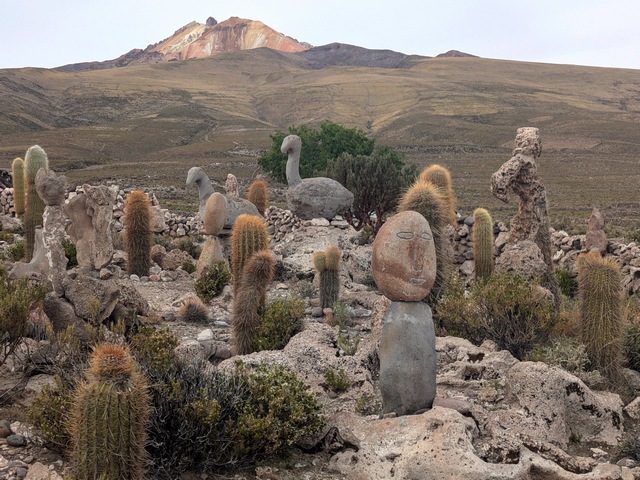
stone sculpture garden in chantani, with volcan tunupa in the background

Uyuni's Sacred Volcanoes and Wild Wonders

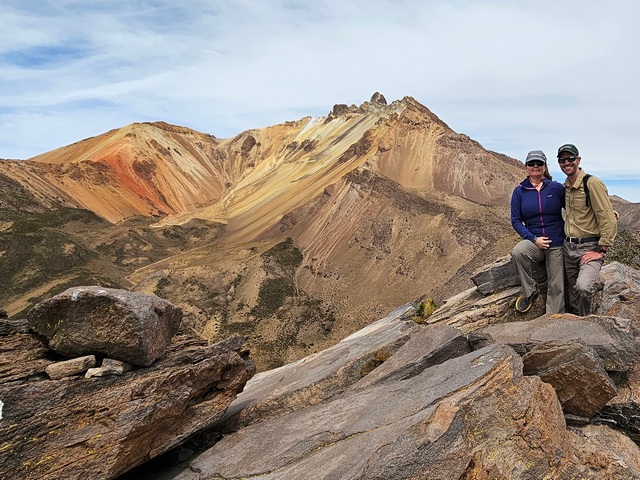
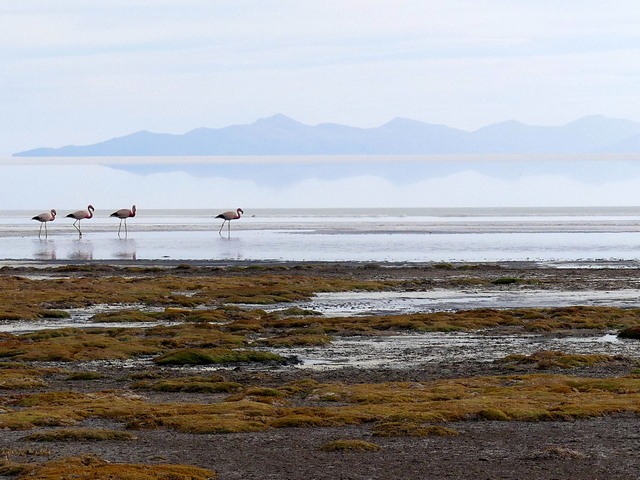
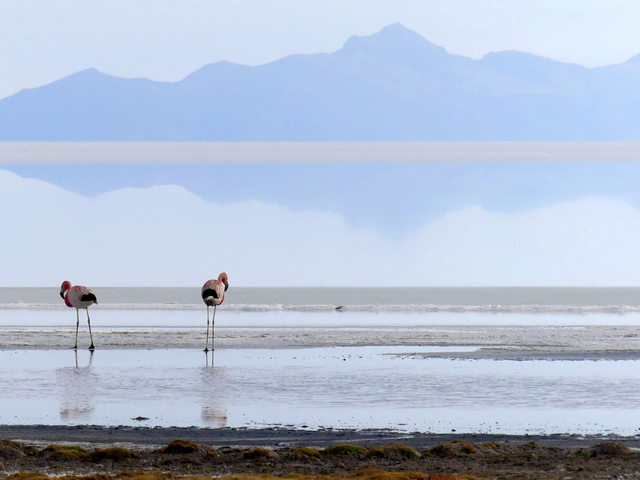
Volcan Tunupa, a 17,457’ high dormant volcano, towers over the northern end of the Uyuni Salt Flats and has great spiritual and cultural significance to the local Aymara people. In Aymara legends, Tunupa is a sacred goddess whose tears are said to have created the Uyuni Salt Flats, and caves on the volcano still contain pre-Incan mummies laid to rest on hallowed grounds. High-altitude hikes on the flanks of Tunupa reveal stunning landscapes and a whole different view of the salt flats below, while casual strolls along the edge of the Salar provide excellent opportunities to see vicunas, llamas, flamingoes, Andean geese, and other wetland birds.


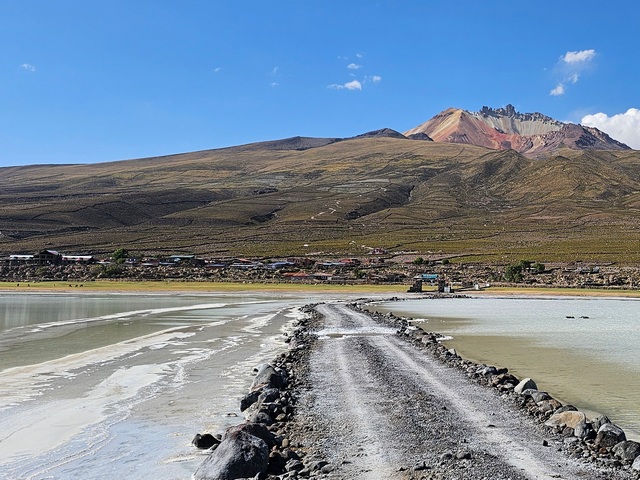
view of small village of colchani at the base of tunupa volcano
two hikers posed with a view of volcan tunupa in colchani
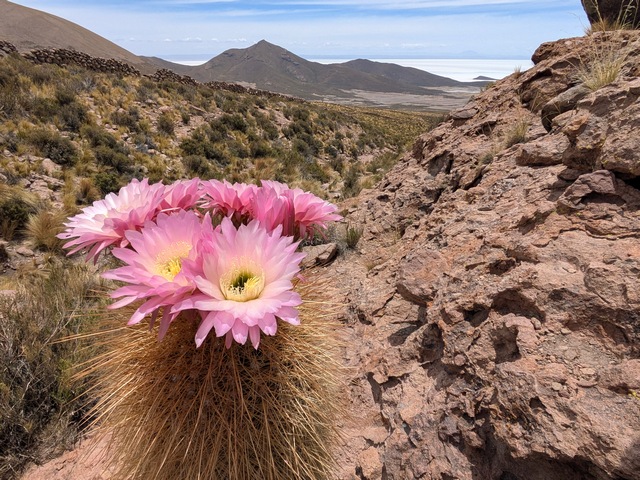
pink flowers atop a cactus with the uyuni salt flats visible way in the distance
four flamingos on the edge of the uyuni salt flats with water and the mirror effect visible behind them
a pair of flamingos next to the uyuni salt flats, with a mountain reflecting in the water behind them
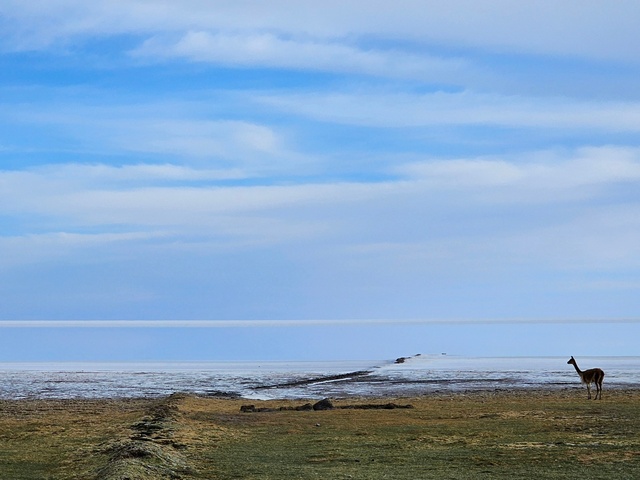
a lone vicuna dwarfed by the immense uyuni salt flats behind it
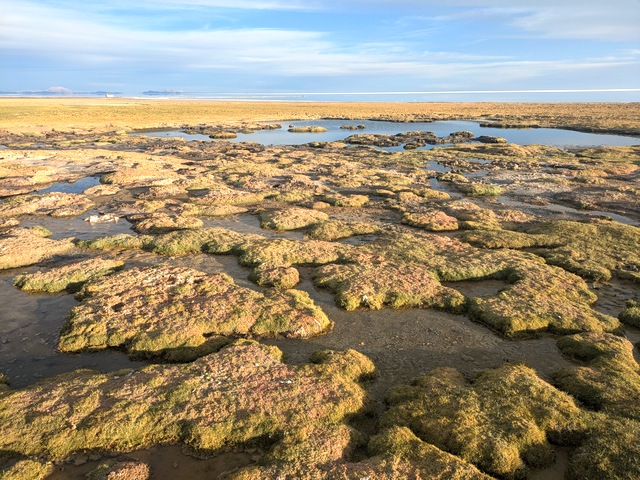
wetlands next to the uyuni salt flats showing tussock plants

Remote Luxury at Explora Uyuni Lodge

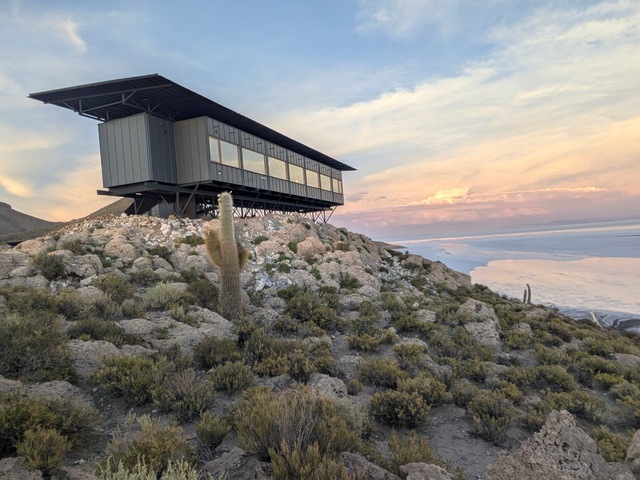
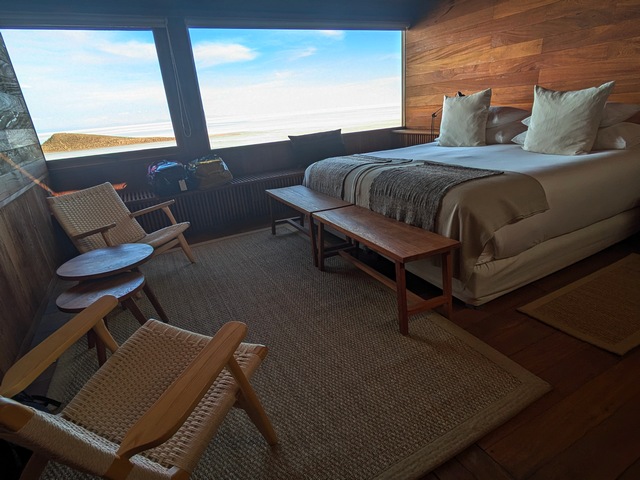
One of the most surprising aspects of our Uyuni adventure was that it felt like we had the place entirely to ourselves, and this is because we avoided the over-touristed hub of Uyuni. We stayed at the ultra-exclusive Explora Uyuni Lodge in Jirira, and this positioned us far away from the noise, crowds, and chaos of the town of Uyuni. Our remote and luxurious lodge was situated atop a wind-whipped, cactus-studded prominence overlooking the salt flats, and lodge staff from the surrounding Indigenous communities ensured that we were comfortable and well-fed. The minimalist design of the lodge and rooms brought the outside in, and you could lie in bed or flop on a couch in the common area and still feel like you were outside in the surreal surroundings of the salt flats.

Explora Uyuni Lodge, a small, rectangular building perched on a rocky hilltop overlooking the Uyuni Salt Flats
Pastel colors in the sky, clouds, and salt flats at Explora Uyuni Lodge
Common area inside Explora Uyuni lodge, with white couches looking out huge poicture windows overlooking the uyuni salt flats at sunset
Guest bedroom inside Explora Uyuni Lodge, with a bed and two chairs next to a large picture window with a view of the Uyuni Salt Flats outside
a man inside a vehicle driving across the uyuni salt flats at sunrise

Pro Tips for Visiting Uyuni Salt Flats

The Uyuni Salt Flats are approximately 12,000 feet above sea level, so you will want to plan a thoughtful itinerary that allows for proper acclimatization. The Salt Flats can be visited year-round, but the best months for experiencing the mirror effect are December through April (although be aware you may not be able to drive across the salt flats if there is too much water – bring some flexibility with you). The best way to immerse yourself in this region is to do the full Atacama to Uyuni Travesia, as this itinerary allows for proper acclimatization and in-depth explorations of the stunningly beautiful altiplano and Atacama desert ecosystems nearby.

When you are ready to plan your own customized adventure to the Uyuni and beyond, get in touch with us to help make your dream trip a reality!

Your Wild Adventure Aficionado,

Alexis Alloway


Let’s Stay In Touch

Subscribe to our newsletter

Contact Us