Day 1
Arrive Arusha
Welcome to Tanzania! You’ll be met on arrival and transferred to your hotel.

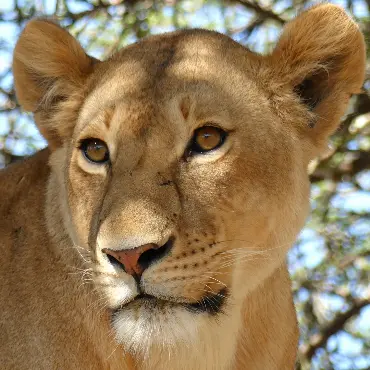
Explore the best parks and reserves of Northern Tanzania like Tarangire, Ngorongoro Crater, and the unending Serengeti savannah on this classic Tanzania safari.
Excellent wildlife viewing opportunities abound, and after a day of game drives, you’ll fall asleep each night under a star-filled African sky in remote tented camps and boutique safari lodges situated in prime wildlife habitat and along known migratory routes.
Cultural interactions are particular highlights as you are led on bush walks by Maasai warriors and encounter the nomadic Hadza bushmen and Datoga silversmiths at Lake Eyasi.
You will be guided by a professional English-speaking naturalist guide throughout in your private 4×4 equipped with window seats for each passenger and a “pop-top” hatch assuring unobstructed wildlife photography.
Several flights throughout this itinerary maximize your comfort and wildlife viewing experiences so that you can spend as much time as possible immersed in the wild.
Consider an upgrade for a more exclusive experience to finish your safari with a touch of luxury. Optional extensions include a spectacular balloon safari in the Serengeti, beach time on the exotic spice island of Zanzibar, or trekking to see mountain gorillas in Rwanda.
Welcome to Tanzania! You’ll be met on arrival and transferred to your hotel.
Drive this morning to Tarangire National Park, replete with huge baobabs and a great diversity of wildlife including giraffe, buffalo, and zebra. Predators like lion, leopard, and cheetah are also present. Most notably, over 5,000 elephants migrate through the park each year. From your camp on the edge of the park, it’s possible to go on bush walks with a Maasai guide. You’ll enjoy a full day of game driving on your second day.
After one last morning exploring the magnificent wildlife of Tarangire, you will drive to Lake Eyasi in time to enjoy lunch, followed by an afternoon visit with the Datoga people. Learn all about their traditional blacksmithing skills and pastoral lifestyles before returning to camp to unwind with a sundowner overlooking Lake Eyasi.
Today is an adventure! Head out at dawn to find the nomadic Hadza living nearby. Once located, you might be lucky to be asked to join them on their daily bow-and-arrow hunt. Your local guide will help you to learn about their ancient hunting methods still in use today. The Hadza are one of the oldest, true aboriginal people of Africa who continue to live as their ancestors have for millennia.
In the afternoon you will enjoy a scenic transfer up to your new camp, located near the edge of the magnificent Ngorongoro Crater.
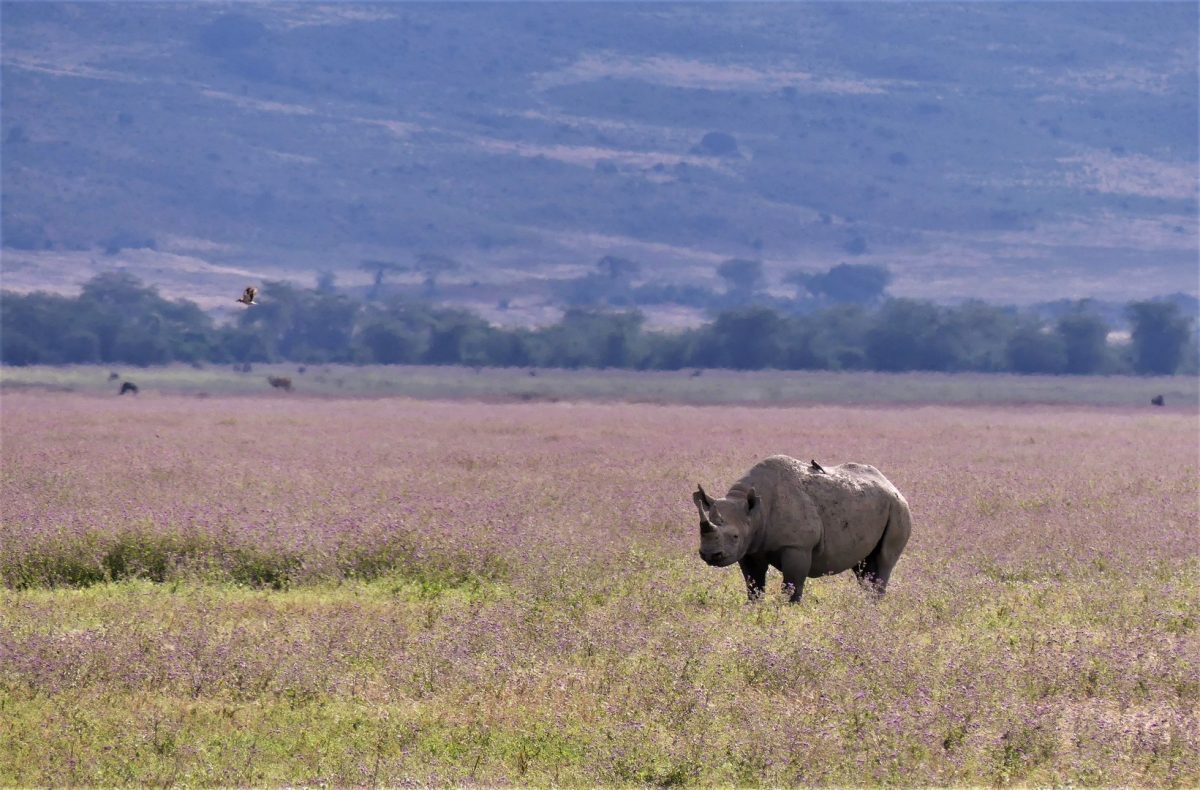
An early morning start brings you down a lesser-used access route to the floor of the famed Ngorongoro Crater, the largest unbroken, non-water-filled caldera in the world and a UNESCO World Heritage Site. Wildlife is prolific throughout the year due to the permanent availability of grass and water. At nearly 20 miles across, you’ll find black-maned lions, highly endangered black rhinos, wildebeest, zebra, elephants, hippos, and hyenas. There are even flamingos! Spend as long as you’d like exploring the crater floor, or make a plan with your guide to spend the afternoon hiking in the nearby highlands or visiting Maasai villages.
After a morning transfer to the Lake Manyara airstrip, a scenic flight will take you out over the vast expanses of the Serengeti, your home for the next six days. Known as one of the most ecologically intact ecosystems in the world, the Serengeti’s legendary wildlife will not disappoint. Upwards of 1.5 million wildebeest and a third as many zebra trace an annual and unending circuit through the greater Serengeti-Mara ecosystem. In February-March, they concentrate around Lake Masek in the south, where the calving season takes place. This draws predators like lion, cheetahs, and hyenas. In April – August, the herds move north, passing through the central and western Serengeti and heading towards the Maasai Mara in Kenya. Depending on the month, your Migration Camp moves to be located in the optimal location for viewing the great herds.
Drive to the endless plains of the Serengeti. Depending on the time of year, this may mean heading to the southern, central, or northern parts of the park. Stop en route at the Olduvai Gorge, where Mary Leakey discovered remains of the earliest hominids. Your next few days are spent exploring one of the most wildlife productive ecosystems and sanctuaries in the world. Upwards of 1.5 million wildebeest and a third as many zebra trace an annual and unending circuit through the greater Serengeti-Mara ecosystem. In February-March, they concentrate around Lake Masek in the south, where the calving season takes place. This draws predators like lion, cheetahs, and hyenas. In April – August, the herds move north, passing through the central and western Serengeti and heading towards the Maasai Mara in Kenya. Depending on the month, your Kati Kati Tented Camp moves to be located in the optimal location for viewing the great herds.
Bid farewell to the wildlife of the Serengeti as you board your scheduled flight back to Arusha. You’ll have a day room to rest, freshen up, and enjoy lunch before connecting to the international airport for your departing flight.
These are suggested accommodations for this trip, any of which can be switched at your desire.
Price per person may decrease with additional guests; Child prices also may apply - call for details. Other accommodations are available. Please call to see what may fit your style of travel best.

